

Health, Product introduction
Everything you need to know about nutrient deficiencies and supplements

As some health gurus with a sharper eye could have already noticed, with the arrival of spring, vitamins and nutritional supplements from domestic producers appeared in Nurme’s range to boost your health. There is a lot of confusion, ignorance, and misconceptions surrounding food supplements, which is why we will talk about it in more detail and talk about various important topics so that you can better navigate the world of vitamins. In this article, you will find answers to the questions about the difference between vitamins and food supplements, which vitamins people often lack and how to understand it, when is the best time to consume food supplements, and how to choose the right vitamins for you.
To begin with, we recommend that you make a cup of green tea to boost your body from spring fatigue and support it with natural antioxidants, and read more about what else you can do for your body!
What are vitamins and food supplements?
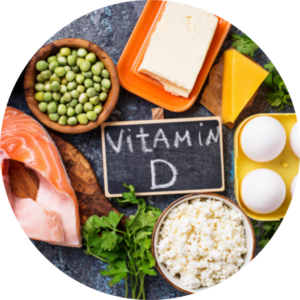 Vitamins are irreplaceable micronutrients that our body cannot produce on its own, or at least not in sufficient quantities, but needs daily in small amounts for good metabolism. They are important participants in the work, growth, and development of millions of cellular processes, which in turn take care of the normal functioning of our body and help it prevent various disorders and get rid of diseases.
The main and most important source of vitamins is a healthy, versatile, and balanced diet. It provides the body with the necessary amount of nutrients – protein, fat, mineral and fiber, vitamins, amino acids, enzymes, etc. However, sometimes the body does not get enough of the necessary nutrients from food either because of a bad diet, chronic diseases, medication consumption or some other reason, which in turn leads to specific health problems. In these moments, nutritional supplements come to the rescue.
A food supplement is a product in the form of a tablet, liquid, spray or powder that contains a specific nutrient extracted from food or produced synthetically. With the help of food supplements, we can effectively and quickly support the body’s work. Vitamins, minerals, enzymes, and all other nutrients found in food can also be consumed in the form of food supplements, but it is worth knowing that they do not replace a healthy diet.
How do I know that I may be deficient in some vitamins?
To some extent, we can also get an overview of our own health status by independently analyzing and observing it, but the most accurate answer can be obtained from a blood test. You can ask yourself if your body is suffering from fatigue, perhaps you are frequently having muscle cramps, or has your vision become worse in the dark?
 Here are the main symptoms of some nutrient deficiencies:
- Fatigue – fatigue is a very broad symptom and can have many different causes. Fatigue is caused, for example, by lack of sleep, stress, mental health problems, heavy physical exertion, or a lack of iron, calcium, vitamin D or B12. Iron deficiency is also indicated by a pale complexion, hair loss and poor circulation, which shows itself in constantly cold toes and fingers.
- Night blindness – vision problems are often related to vitamin A deficiency. In this case, you can get support from foods containing beta-carotene, such as carrots, peppers, broccoli, and wild blueberries. It is wild blueberry extract that is the best natural aid to contribute to normal vision through its antioxidant effect and to stabilize collagen formation in the eyes.
- Muscle cramps – sudden cramps in the legs or elsewhere at night indicate magnesium or calcium deficiency. A sufficient amount of magnesium in the body helps relieve muscle spasms and relaxes them, improves the quality of sleep, and makes falling asleep easier.
- White tongue – the whole tongue is pinkish, but the white layer on the tongue is often a concern. This may indicate vitamin B deficiency, which is responsible for regulating the nervous system. A deficiency of this essential vitamin can eventually lead to anemia or depression.
- Mouth ulcers and bleeding gums – respectively, these concerns signal vitamin B or iron deficiency and vitamin C deficiency.
- Living in the Estonian climate – really, just living in Estonia is the basis for vitamin D deficiency… So it is definitely worth taking it as a food supplement during the darker times from autumn to spring. In summer, spending 20 minutes in the sun is enough to replenish vitamin D reserves.
What are the most common nutrient deficiencies?
Iron, calcium, and vitamin D deficiency are the most frequent in humans. The most common nutrient deficiencies among children are also iron, calcium, and vitamin D, but also zinc and potassium.
 NB! It is worth knowing that self-diagnosis is not always the smartest thing to do, because the lack of vitamins and minerals in the body can only be determined with a blood test. Before adding food supplements to the menu, it is strongly recommended to do a blood test to get a general overview of the body’s condition and then determine with the help of your doctor what are the areas of concern and how to support the body with the help of food supplements.
More is not always better. While too little vitamin A leads to eye problems, too much vitamin A causes hair loss, dizziness and headaches, and in severe cases even coma or death. Too little vitamin D can cause osteoporosis, muscle weakness, and heart disease, but too much vitamin D can cause excess calcium in the blood and kidney problems. Balance is the key.
When can vitamin deficiency occur and when is it worth consuming food supplements?
Vitamin deficiencies occur when the body does not receive a certain vitamin for a long time, which the body needs for normal functioning. In general, nutrient deficiencies can develop within a few months or even years, and most of the time, with the help of nutritional supplements, you can get rid of the problem within 6 weeks to 3 months.
Nutrient deficiencies also occur more often during the change of seasons, especially after a long and hard winter, when the body’s vitamin reserves are depleted. At this time, colds are also a bigger problem, which are easier to catch due to a weaker immune system. In this case, support can be found, for example, in liposomal vitamin C and zinc. After suffering an illness, the immune system can be reactivated with Korilane strong immunity extract.
“Spring fatigue”, which manifests itself as a long-term feeling of fatigue in early spring, can also cause concern. It is accompanied by general drowsiness and a great need for sleep, which is caused by the months-long winter and dark time, vitamin-deficient food, and too little physical activity. Spring fatigue is also affected by vitamin D deficiency, common in darker climates, which does not affect people so much in southern countries that are sunny all year round.
In addition, nutrient deficiencies occur more easily in people who have problems with nutrition, obesity, or chronic diseases. The diet of overweight people often does not contain the necessary amount of iron, calcium, magnesium, and A and B group vitamins. People with chronic diseases, on the other hand, have problems absorbing nutrients because the disease or medication prevents the cells from doing their normal work. Therefore, these people would especially need the support of nutritional supplements.
Domestic food supplements in Nurme’s selection
NorVita
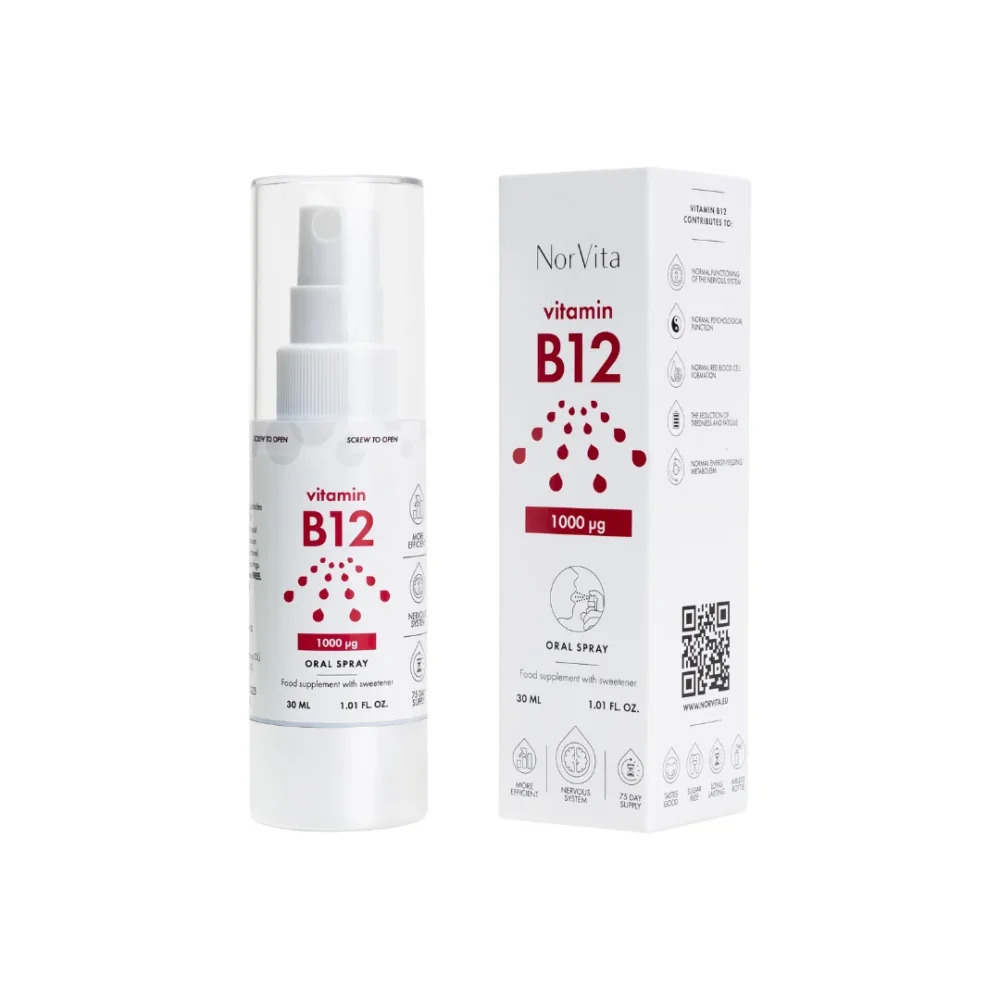
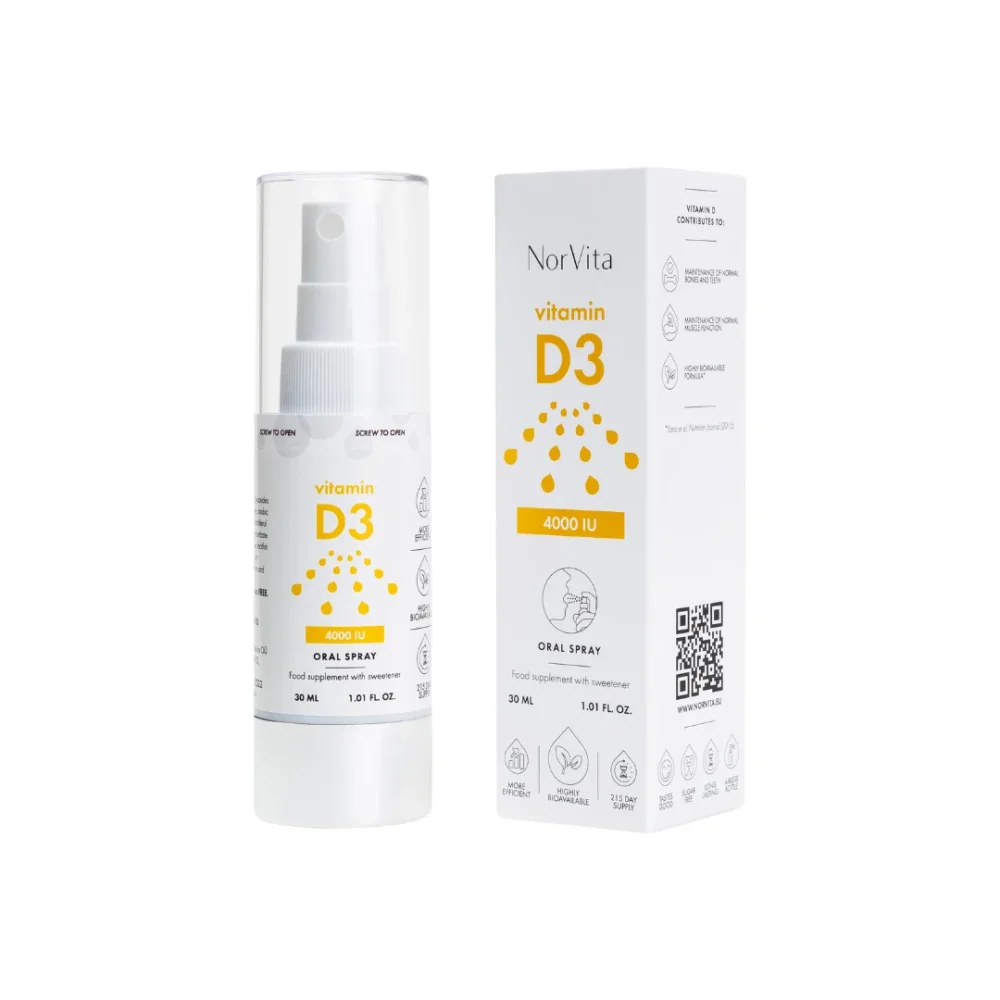
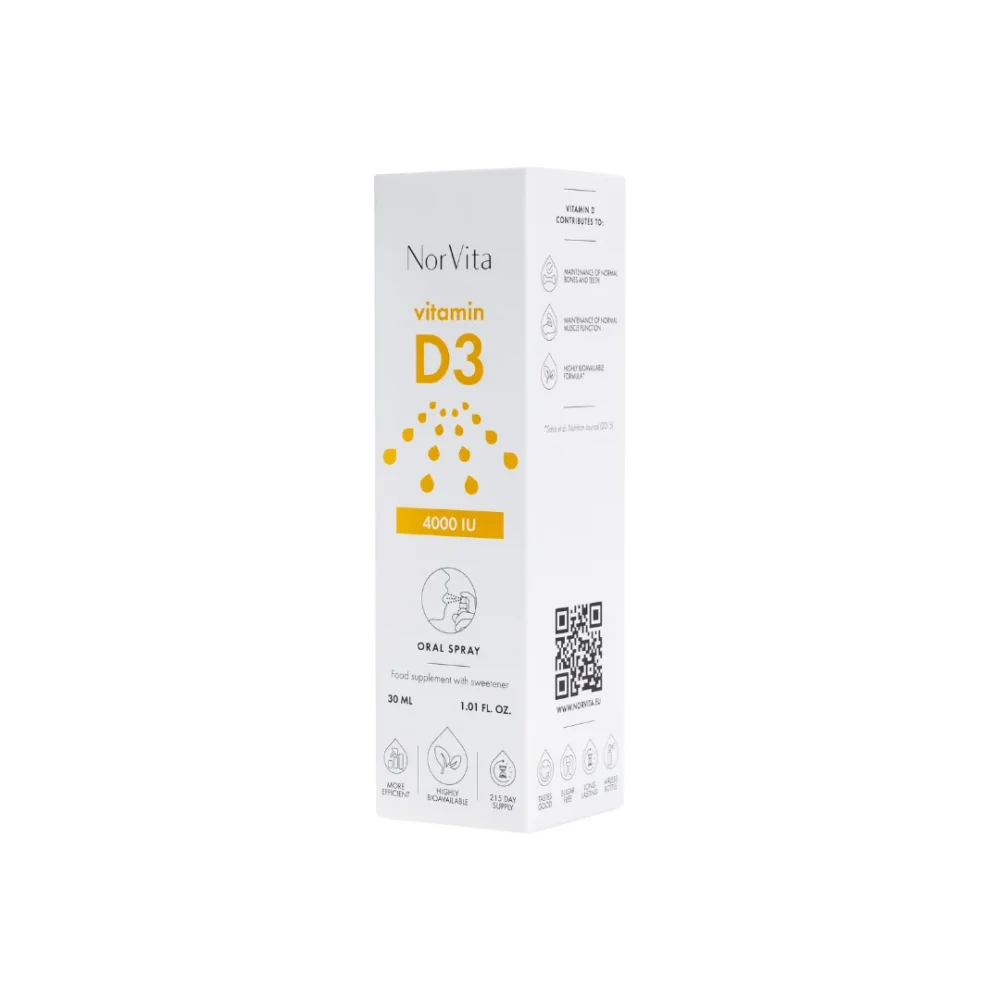
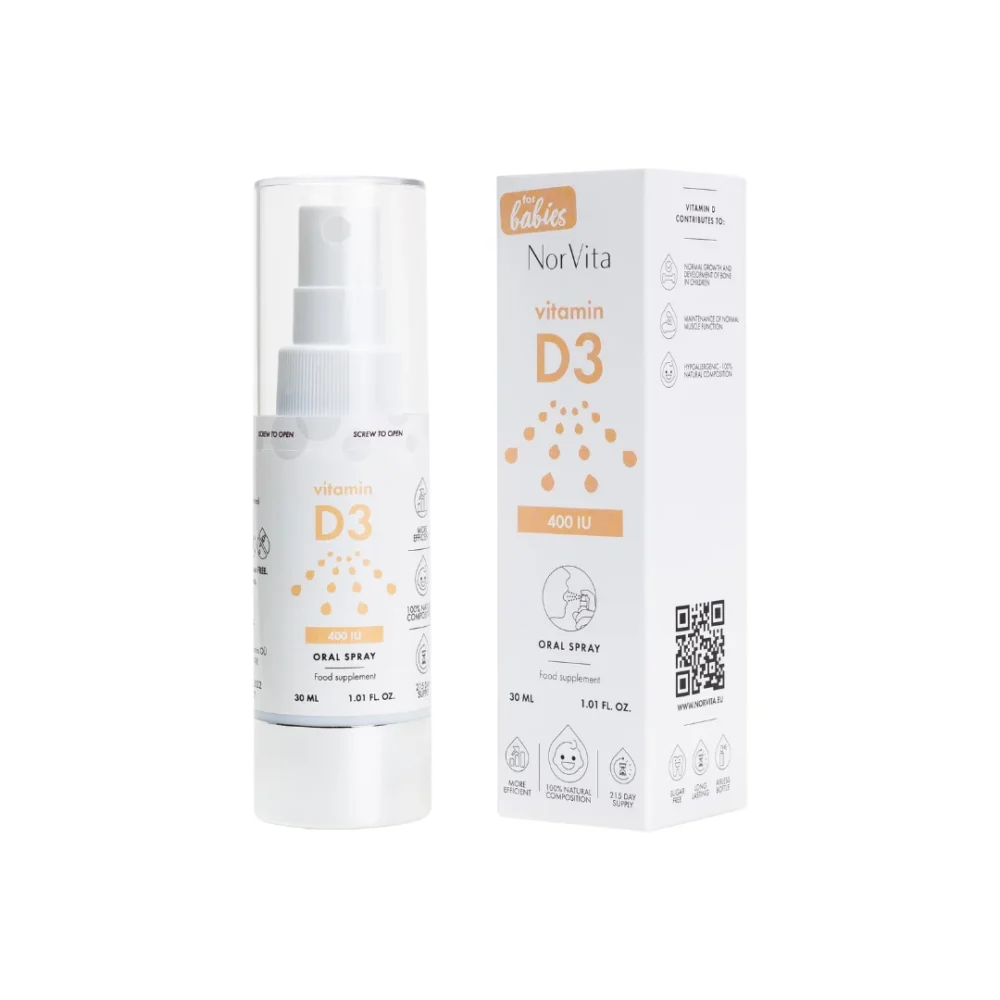
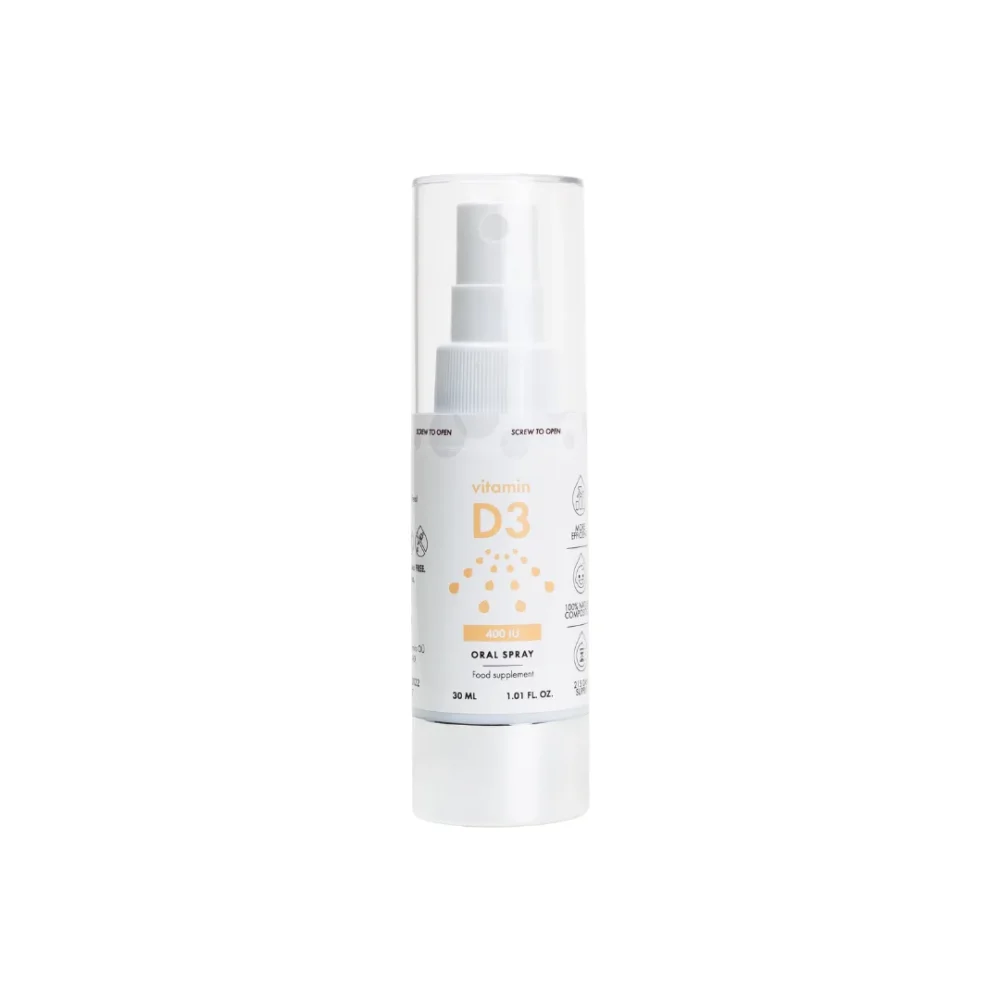
 NorVita spray vitamins made in Estonia with innovative technology have become very popular precisely because of their efficiency and convenience. In the case of the oral spray method, micronutrients reach the bloodstream directly through the oral mucosa and do not depend on the performance of the digestive system for absorption. Research has found that due to this reason the absorption of spray vitamins is up to 2.6 times more effective than tablets.
Korilane
 Korilane is an innovative company in Estonia that produces dietary supplements from pure raw materials that support and maintain good health. Korilane started its activities in 2016, during the years they have established their own organic fields and production in Saaremaa. They rely on the unique healing properties of plants and collaborate with biotechnologists to develop unique treatment recipes with plant extracts that are not alcohol-based.
ICONFIT
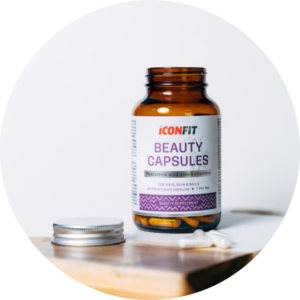 Founded in 2013 as an Estonian family business, ICONFIT has grown to become the largest sports and health food manufacturer in the Baltics. ICONFIT products use only high-quality raw materials from reliable manufacturers with a controlled background. Their mission is to change the world in such a way that healthy eating is available to everyone who wants it.
You can find all nutritional supplements and vitamins from the Nurme range here!


SPECIAL OFFERS