













Hair not growing? The cause may be in your scalp

Have you noticed that your hair no longer grows the way it used to? Your ponytail seems thinner, your hairbrush fills up faster, or your hair just doesn’t seem to grow past a certain length.
The first instinct is to blame stress, age or genetics. But the real cause is often much closer — in your scalp.
Healthy hair doesn’t start at the ends or with length, but with the environment in which the hair grows. A balanced and well-cared-for scalp creates the conditions for hair to grow strong, thick and vital.
Why does hair really stop growing?
Most people care for their hair, but few care for their scalp. Yet the scalp is exactly where the quality, growth cycle and strength of the hair are decided. When the scalp is out of balance, signs such as these can appear:
- the hair becomes thinner
- hair loss increases
- the scalp itches or flakes
- the hair gets greasy quickly
- the hair breaks before it can grow long

What does research show?
The effect of rosemary oil on the scalp has been studied for years. In studies, rosemary essential oil has been associated with improved microcirculation in the scalp, which helps keep the scalp in good condition and creates favourable conditions for hair growth.
This is why rosemary is considered one of the most promising natural ingredients in scalp care.
Active scalp care
Nurme’s rosemary range was born from more than 1.5 years of development work and grew out of one of our most loved products — rosemary shampoo. The multi-step care supports the scalp at every stage:
- stimulates microcirculation
- helps maintain the moisture balance
- supports the scalp’s natural microbiome
- creates favourable conditions for the growth of strong hair
Why rosemary?
Rosemary is valued in scalp care for its activating properties. It helps to:
- stimulate the scalp’s microcirculation
- support the activity of the hair follicles
- strengthen the hair from the roots
- maintain the scalp’s balance
The result is an environment where the hair can grow stronger and more vital.
The best results come from systematic care
Hair growth doesn’t depend on a single product, but on the whole. That is exactly why the rosemary range is designed to work as a routine, where each step supports the next.
– Deep care for the scalp, where growth begins
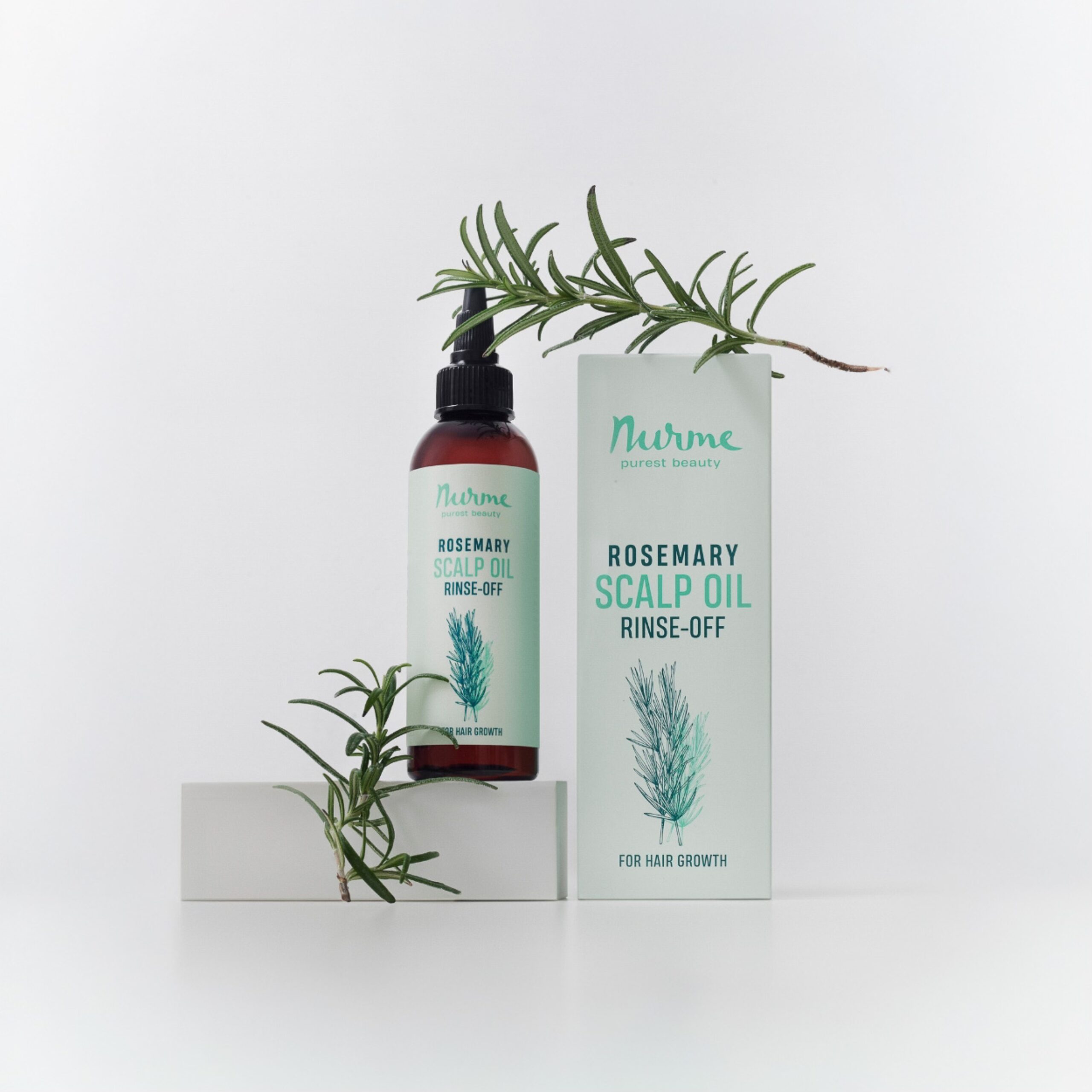
Rosemary scalp oil is an intensive pre-wash treatment that helps moisturise the scalp and stimulate the hair roots.
A rich blend of oils — sesame, rosemary, jojoba, almond and castor oil — helps create the ideal environment for hair growth even before washing.
– Cleansing that doesn’t disrupt the balance
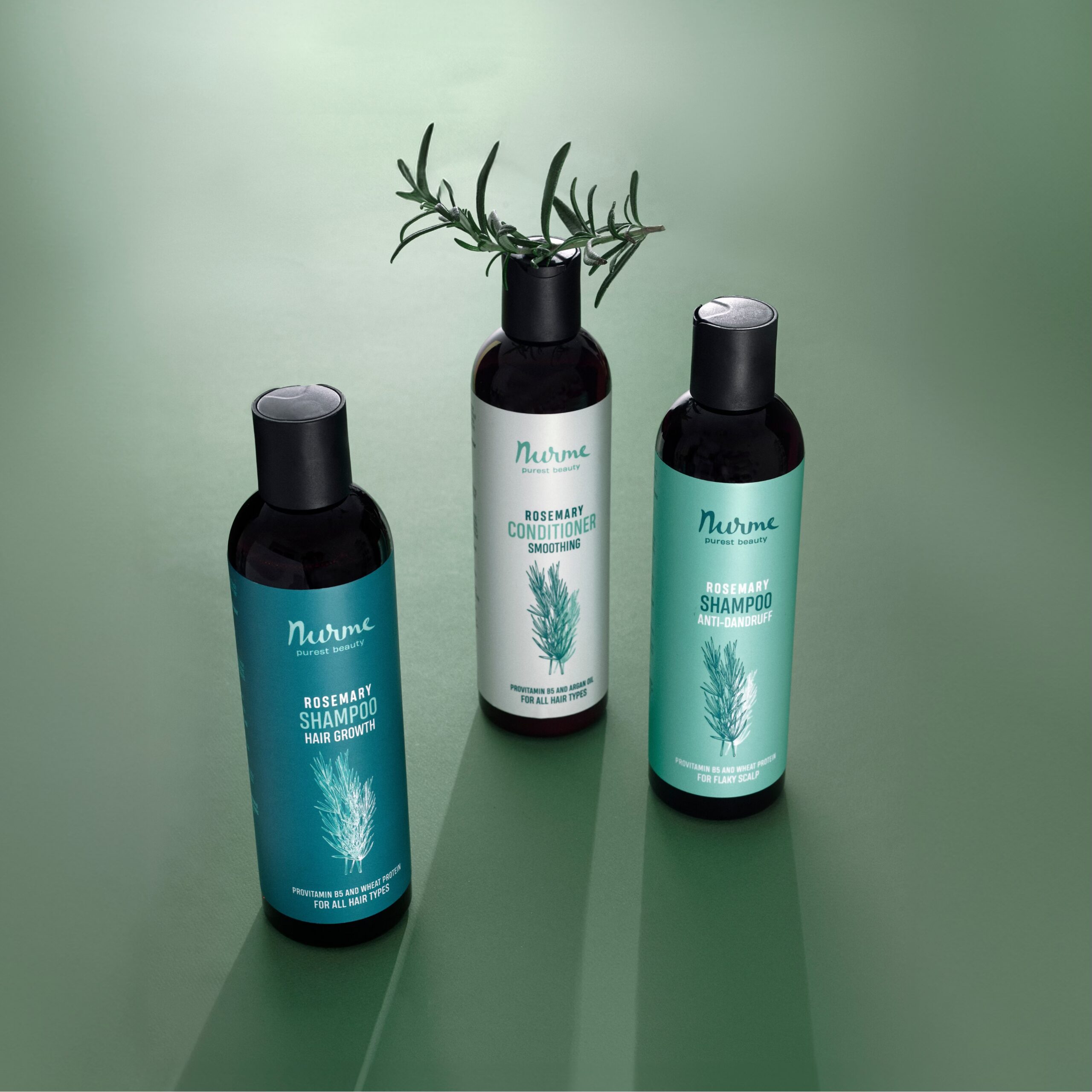
Our rosemary shampoo cleanses the scalp effectively but gently, helping to preserve its natural protective barrier.
Provitamin B5 and hydrolysed wheat protein help strengthen the hair and improve its elasticity.
In case of dandruff problems, the specially developed anti-dandruff rosemary shampoo supports the calming of the scalp and helps reduce itching and flaking.
– Lightness and strength along the hair length
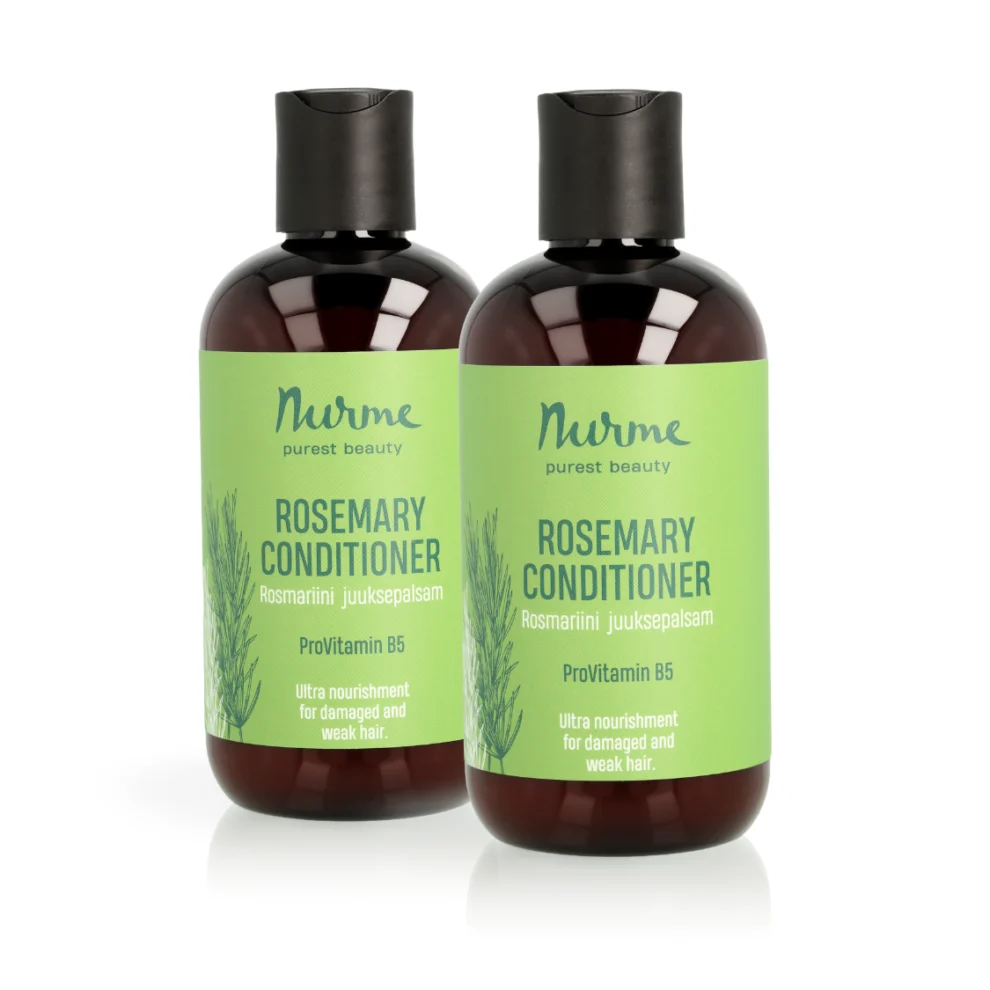
Rosemary conditioner helps improve combability, reduce static and support the hair’s resilience without weighing it down.
Argan oil and sunflower seed oil help keep the hair soft and smooth.
– The aftercare most people skip
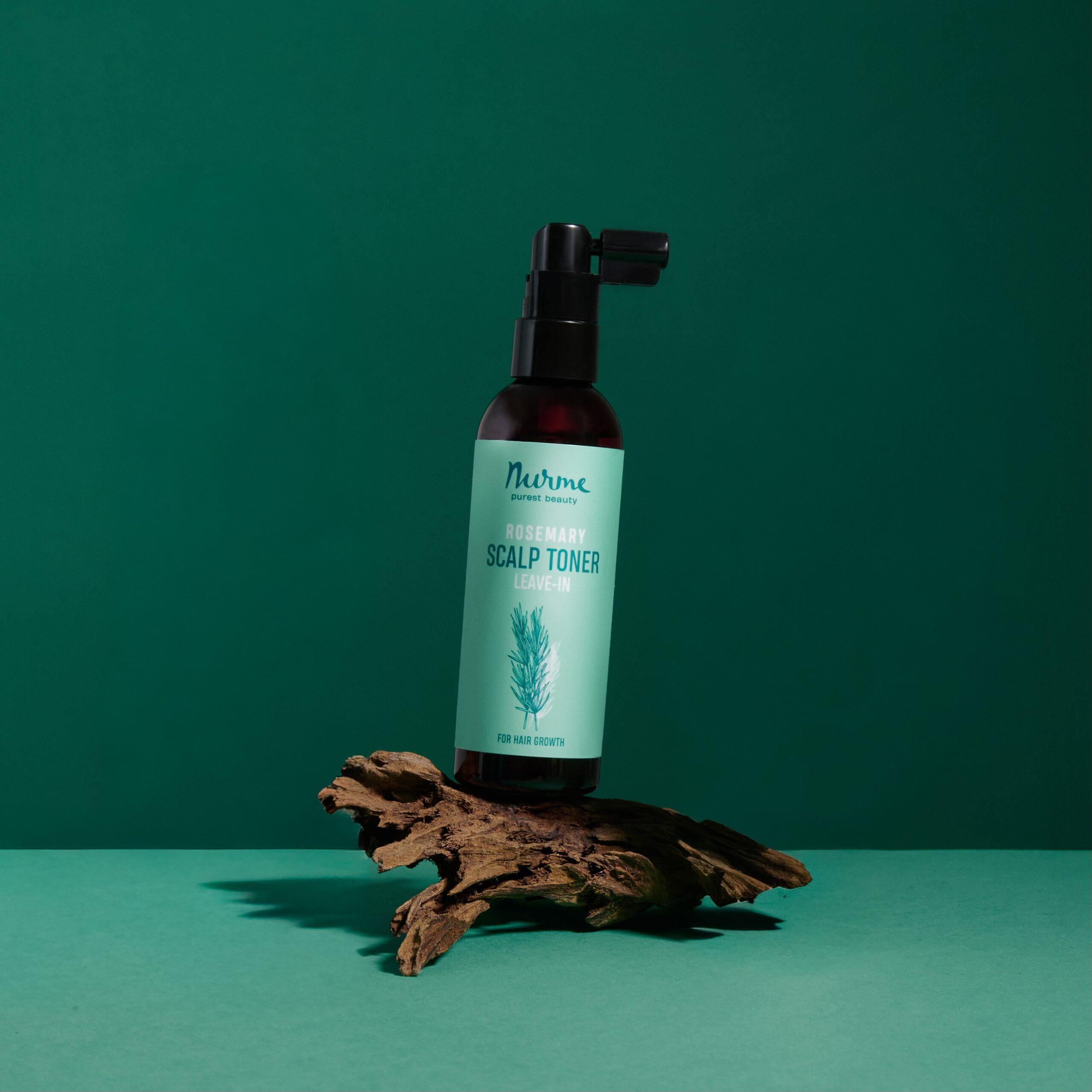
After washing, the scalp needs to recover. Rosemary scalp tonic helps maintain moisture levels thanks to hyaluronic acid and supports the scalp’s microbiome with red silk-cotton tree flower extract.
It’s a step that helps extend the effect of the care routine between washes too.
What change might you notice?
With consistent care, the hair may feel:
- stronger
- thicker
- shinier
- less prone to breakage
- clean for longer
New “baby hairs” are often noticed too, which is a sign that the growth cycle has been activated.
Imagine mornings when your hair behaves better, feels more vital and needs less effort to look good. If you’re ready to take your hair care to the next level, start where the hair really grows — at the scalp.
If you enjoyed what you read, share it with others…