Light, Medium and Intense – what do these words on your cream packaging mean?

The skin is the body’s largest organ and acts as a protective shield against the environment. When the moisture balance is off, the skin can become dry, flaky and sensitive. Why does the skin need moisturising, how to act in the case of different skin concerns, and how do Nurme products help you in daily use?
The skin constantly needs both moisture (water content) and protection (oils and fatty acids) so that it can keep the skin barrier strong, but even completely healthy skin loses moisture daily through evaporation. This is a natural process called trans-epidermal water loss (TEWL). The rate of moisture loss depends on several factors such as environmental conditions, washing habits, age and lifestyle.
💛 The solution? Regular moisturising, which helps the skin retain moisture and strengthen its natural protective barrier.
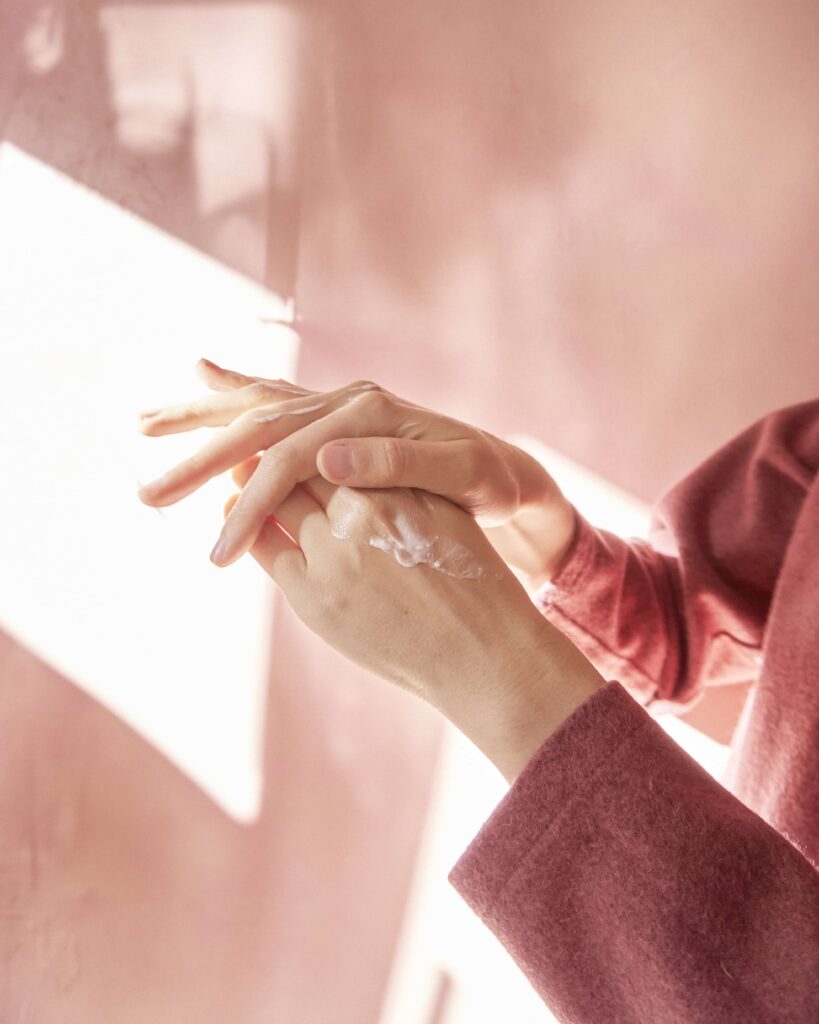
“Many people think that drinking enough water means the skin is automatically moisturised. While water intake is indeed important, it doesn’t mean the skin is able to hold onto that water by itself,” says Nurme co-founder and product developer Marit Tiits. “Effective moisturising needs three components:
- Moisture-binding ingredients (humectants), such as aloe, glycerin and hyaluronic acid, which draw water into the deeper layers of the skin and keep it there.
- Moisture-locking ingredients (occlusives), such as shea butter and coconut oil, which form a protective barrier on the skin and prevent moisture from evaporating.
- Softening ingredients (emollients), such as sunflower seed oil and sweet almond oil, which smooth and fill the skin’s micro-cracks, making it elastic and soft.”
Glossary / meanings
🟡 Dehydrated skin – skin that is low in moisture but still produces sebum, which is why it can feel both dry and oily at the same time. The skin is tight, flaky and fine, triangular wrinkles may form that indicate a lack of water. Such skin needs moisture-binding ingredients, i.e. humectants, such as aloe, glycerin and hyaluronic acid.
🟡 Dry skin – skin that does not produce sebum. As a result it is very dry and sensitive, wrinkles form easily and the skin is prone to all kinds of inflammation. Such skin needs a protective layer, i.e. occlusives, such as shea butter and coconut oil.
🟡 Combination skin – this is mainly a facial (or scalp) type that can be oily in places and dry in others. With a combination skin type, the forehead, nose and chin are generally oily, while the cheeks are quite dry.
🟡 Oily skin is also mainly a facial (or scalp) type, where the sebaceous glands produce excess sebum, which can leave the skin shiny, make the pores more visible and increase the tendency for clogging and impurities.
🟡 Emollient is a skin-softening ingredient, for example sunflower seed oil and sweet almond oil.
What is the difference between different moisturisers?
The skin needs moisturising depending on its condition, lifestyle and environment, but did you know that using the wrong moisturiser can deepen problems instead of solving them? “For example, in case of extreme dryness, too light a cream can evaporate before it reaches the deeper layers of the skin,” warns Marit.
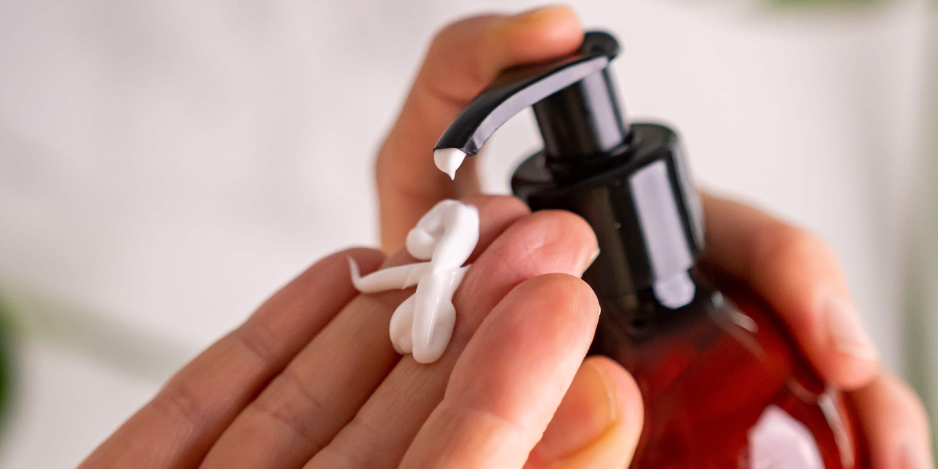
Here she gives an overview of three different types of moisturiser – Light, Medium and Intense – and explains when to use them and how to combine them.
1. LIGHT
This is a light, quickly absorbed moisturiser that contains mainly water-based humectants and few occlusives, which is why it does not leave a greasy layer on the skin. Such a moisturiser is well suited for daily use, especially when the skin is not extremely dry.
When to use?
- For normal and combination skin that simply needs to maintain its moisture level.
- In summer, when the skin needs light moisturising without excess oiliness and clogging.
- When the skin is dehydrated but not dry, i.e. needs water rather than oil.
When is it not the best choice? When the skin is extremely dry or flaky, moisture-adding ingredients alone are not enough; richer emollients and occlusives are also needed. (Read more about this in point 4)
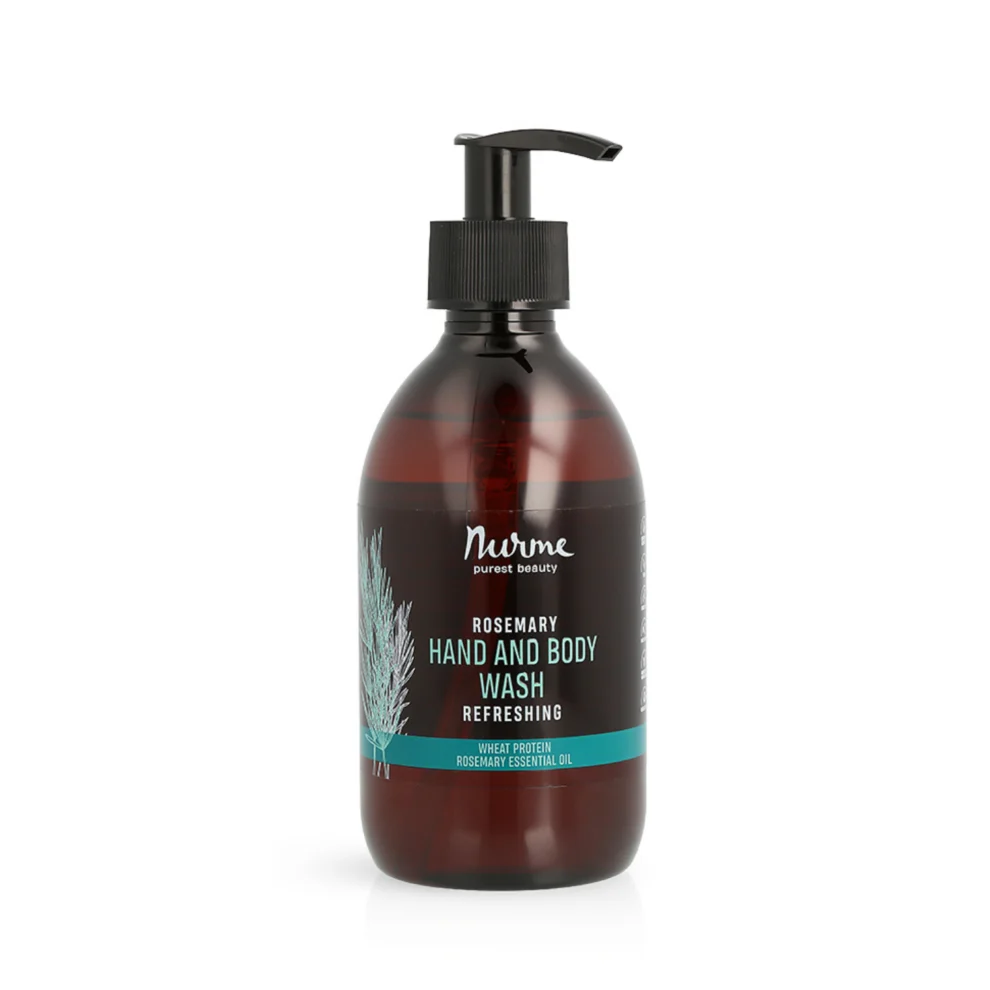
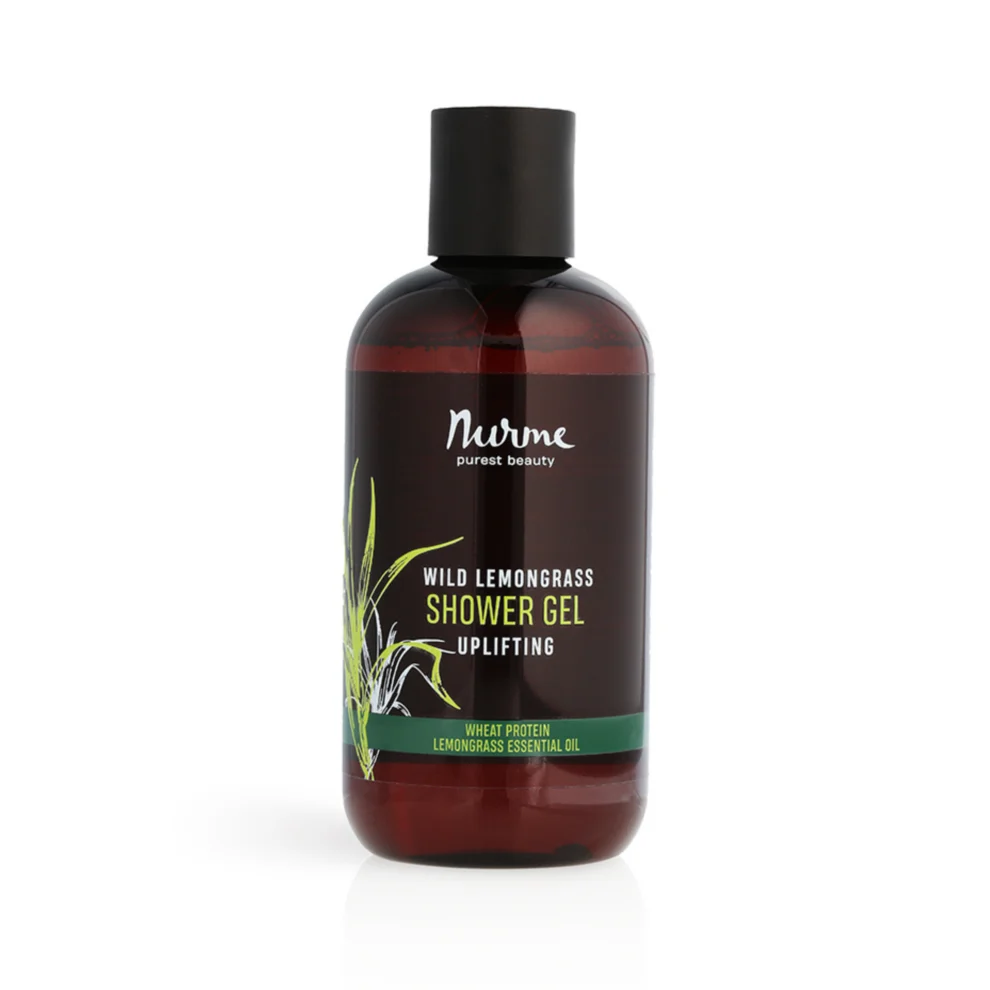
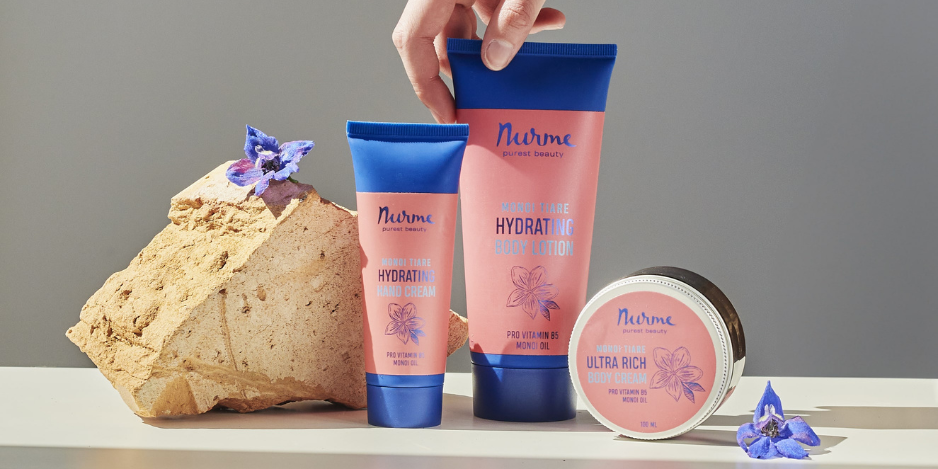
From Nurme’s range, body lotions are well suited for light moisturising of the skin.
2. MEDIUM
This is a balanced moisturiser for deeper skin care. It contains both humectants and a larger amount of emollients, plus a small amount of occlusives. Such a moisturiser has a richer texture than Light moisturisers and is either quick or medium-absorbing. It locks moisture into the skin and strengthens the protective barrier.
When to use?
- For dry skin that needs deeper moisturising but is not yet very flaky or cracked.
- In winter or colder conditions, when the skin loses more moisture.
- When the skin feels slightly tight after a shower but is not very rough or cracked.
When is it not the best choice? When the skin is very dry and flaky, even more intensive moisturising that forms a protective layer on the skin may be needed. (Read more about this in point 4)
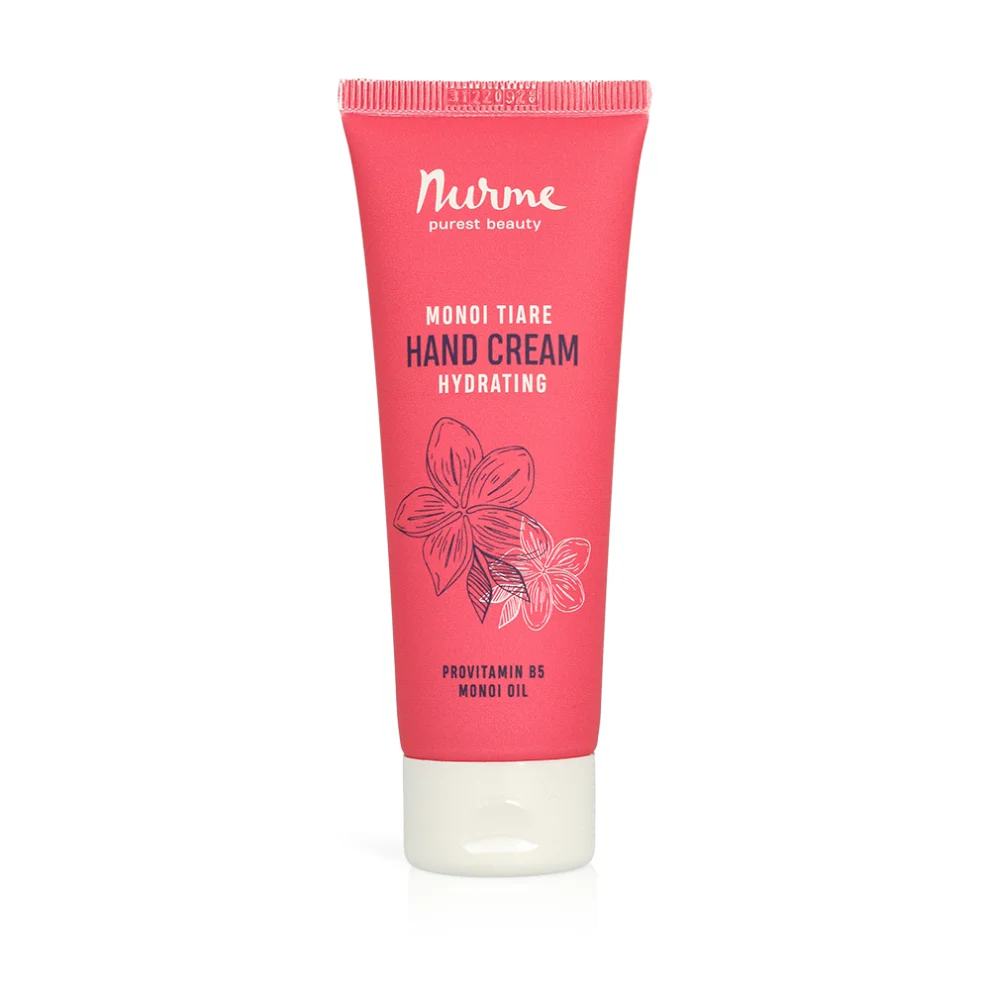
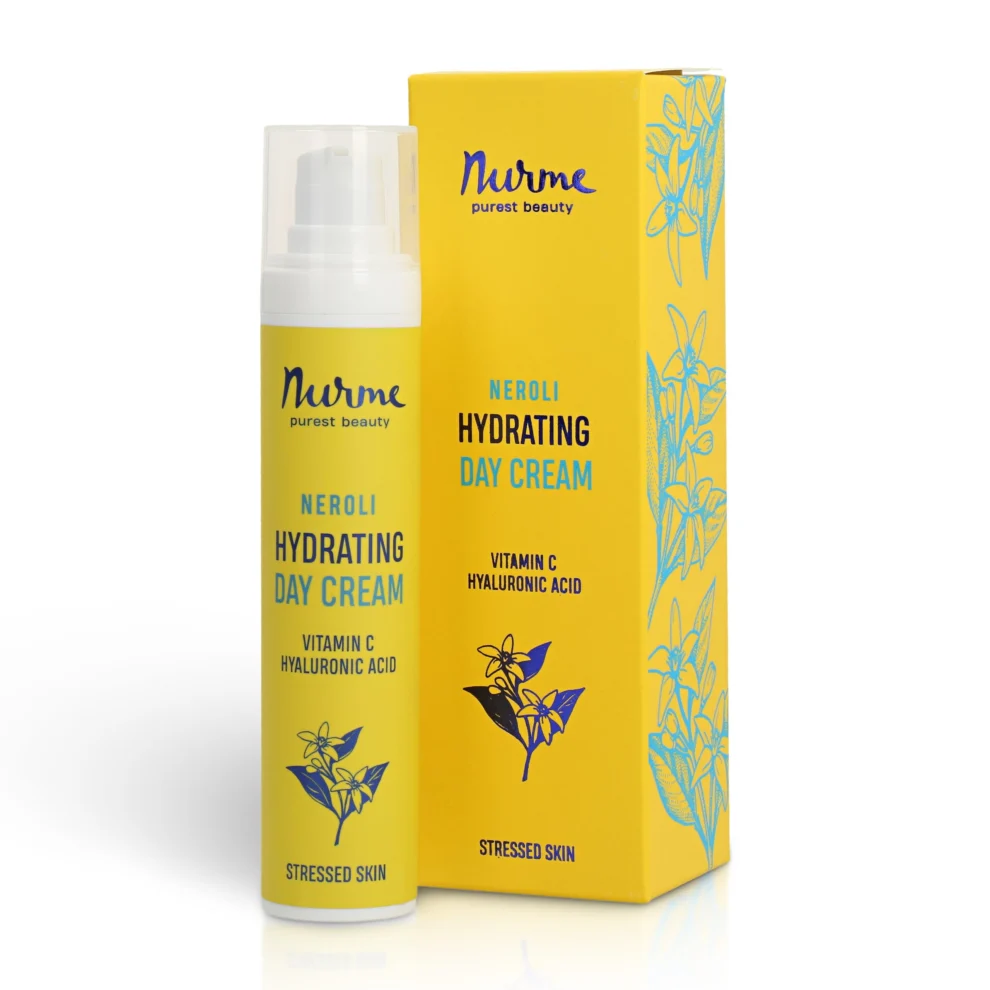
From Nurme’s range, creams are well suited for this kind of moisturising.
3. INTENSE
This is a strong moisturiser for deep care and protection. The product has a richer and oilier composition that contains occlusives, such as plant butters and thick oils. The moisturiser forms a protective layer on the skin that prevents moisture from evaporating. Best suited for extreme dryness and damaged skin.
When to use?
- When the skin is very dry, flaky and cracked.
- In case of eczema and atopic dermatitis, when the skin needs to retain moisture.
- When the skin is in constant contact with water or harsh weather conditions, such as cold winter weather, chlorinated water or frequent hand washing.
- When previously used creams absorb too quickly and the effect wears off fast.
When is it not the best choice? When the skin is combination or oily, too heavy a composition can clog the pores and cause discomfort.
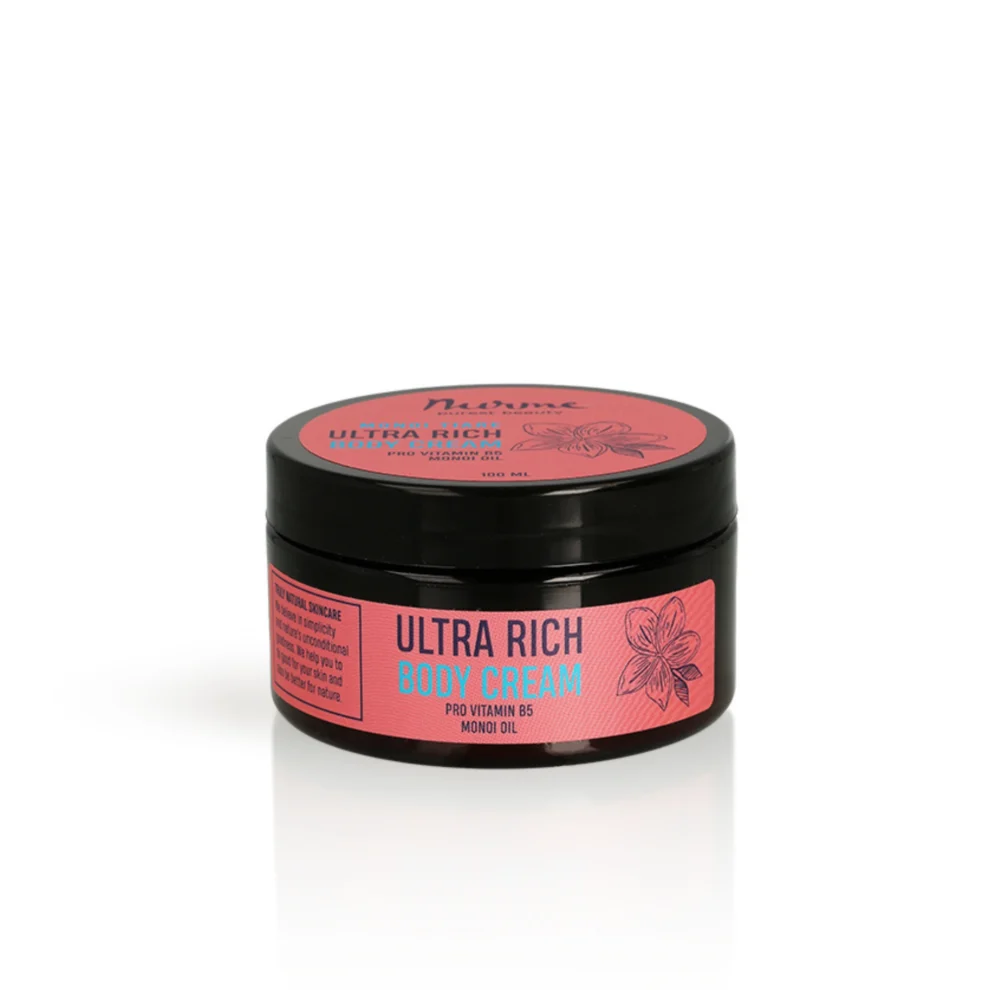
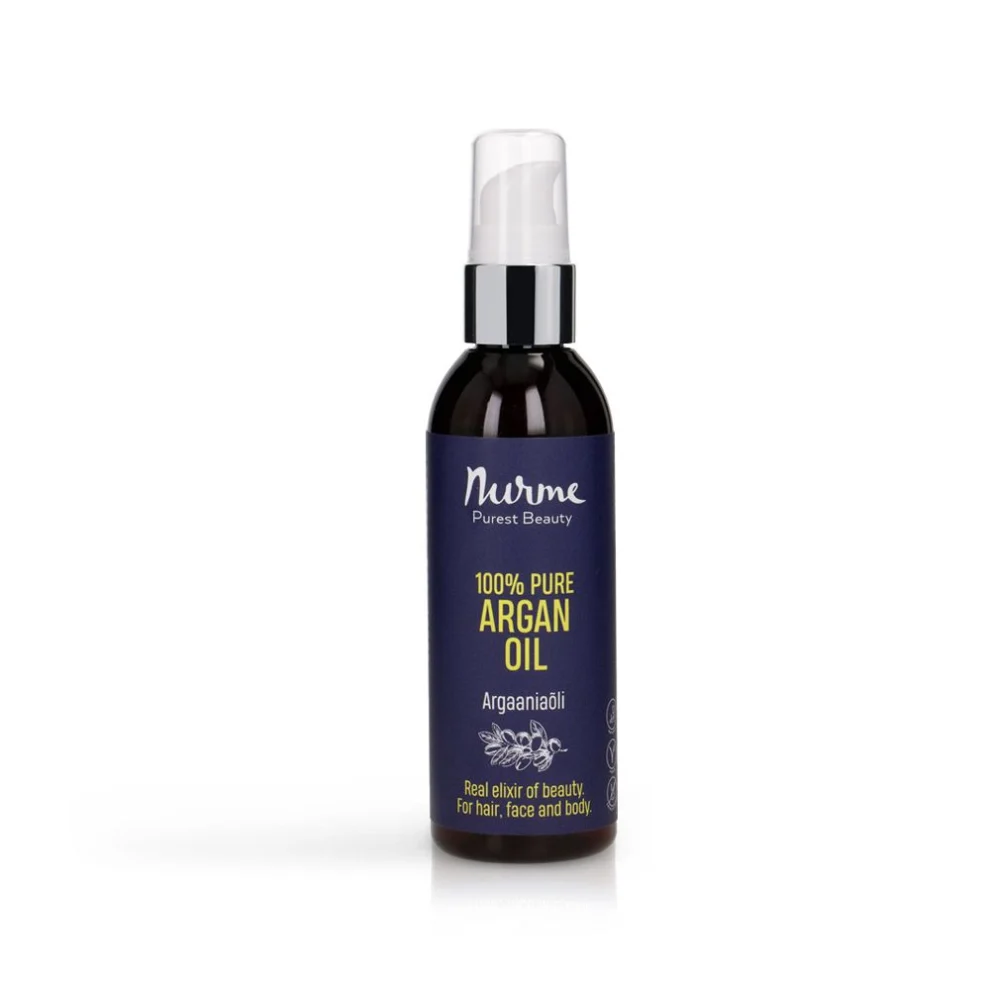
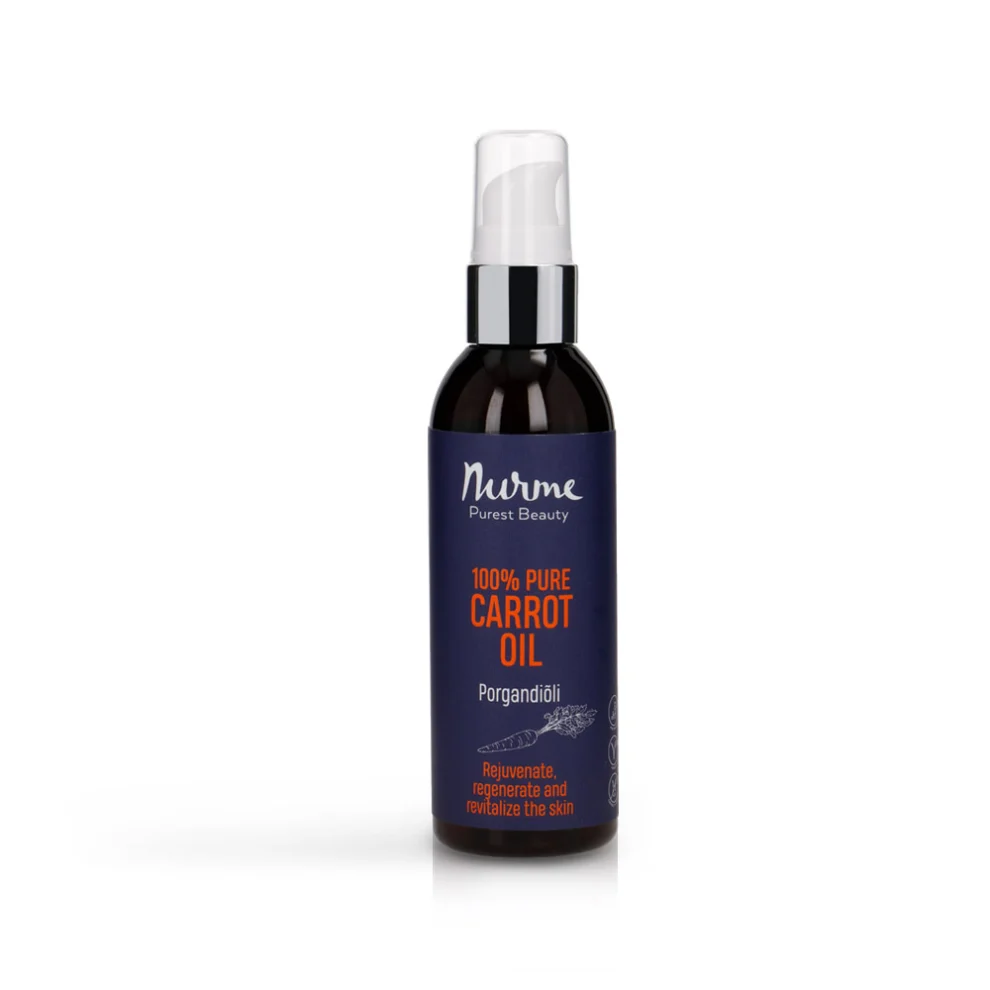
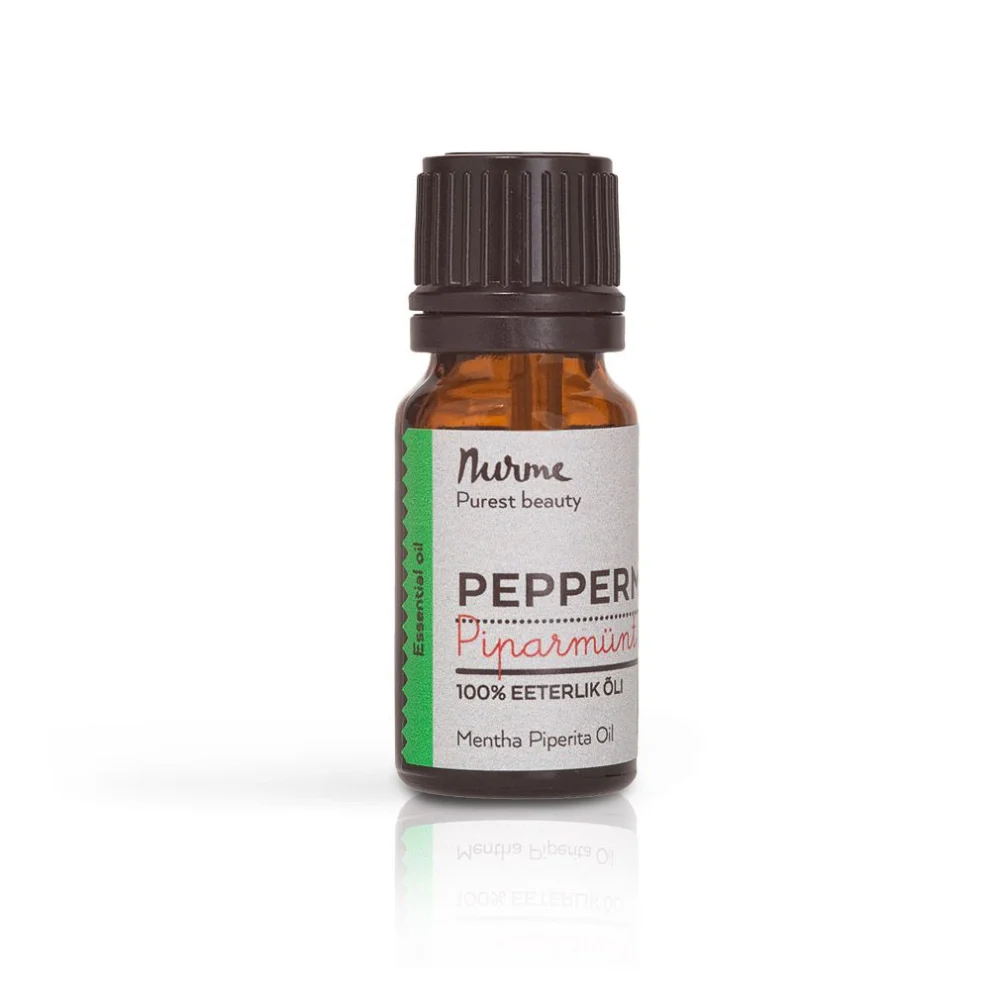
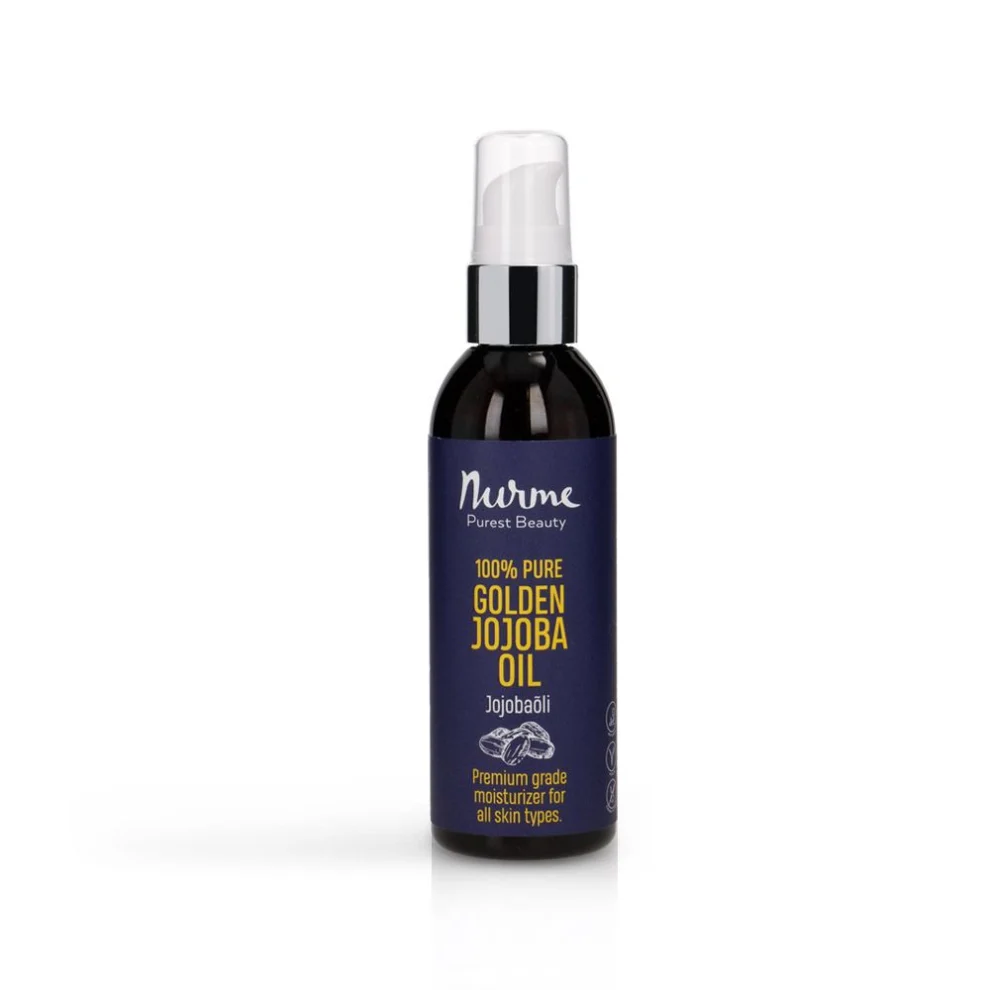
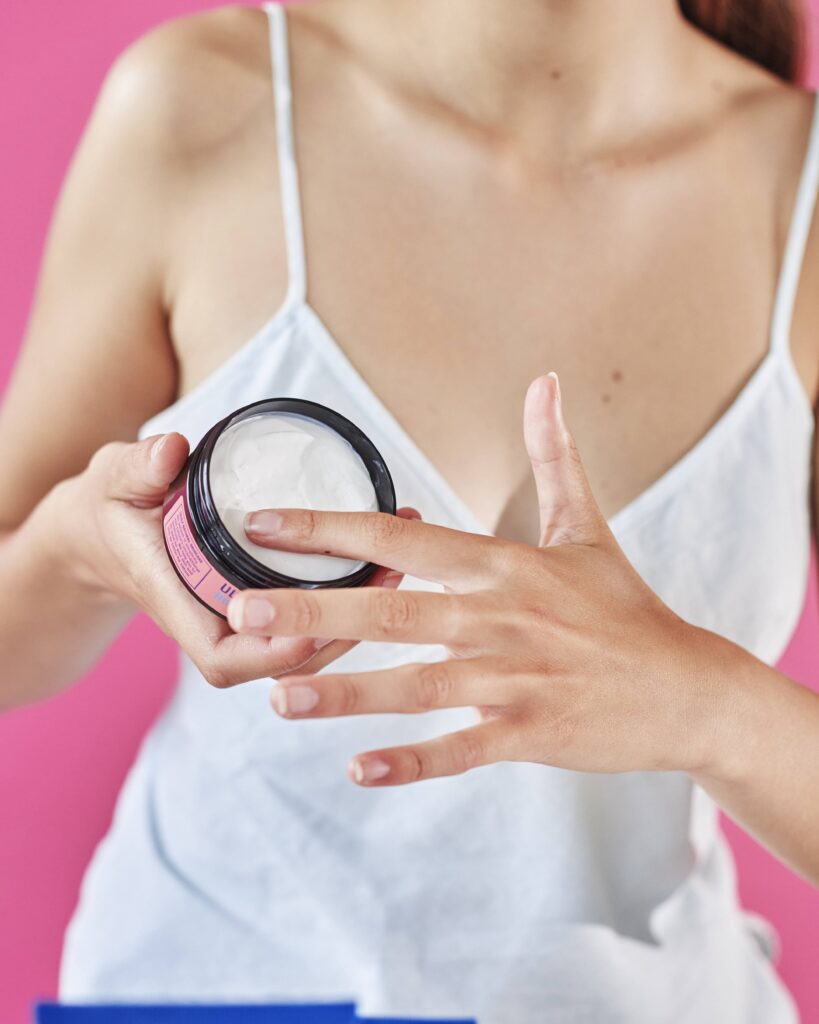
For intensive moisturising, the oils and butters from the Nurme shop are suitable.
4. LIGHT + INTENSE
This is the best combination for deep moisturising! First apply a light moisturiser to the skin, for example a body lotion, which moisturises the skin from within and reaches the deeper layers. Then add an intense moisturiser, for example a body oil or butter, which locks in the previously added moisture and prevents it from evaporating.
Why does it work?
- A light moisturiser contains humectants that bind water and carry it into the deeper layers of the skin. It quickly moisturises the deep layers of the skin but can evaporate too fast if it is not locked in with anything.
- An intense moisturiser does not moisturise deeply, because the oil molecules are large and cannot penetrate the deeper layers of the skin, but it locks in the previously added moisture, creating a protective layer on the skin’s surface that prevents moisture from evaporating.
When to use?
- When ordinary body care doesn’t work, i.e. you have used only a cream or only an oil, but the skin is still dry or rough, using them together can give a better result.
- When you have extremely dry skin, i.e. an ordinary body cream absorbs too quickly and the effect wears off fast.
- When sunbathing, because UV radiation dries the skin and damages its protective barrier, so the skin first needs moisture (a light moisturiser) and then protection and restoration (an intense moisturiser).
Create a deep-moisturising combination from Nurme products that suits your skin. We recommend starting with a light body lotion and then applying a nourishing body oil or butter to the skin.
💛 TIP!
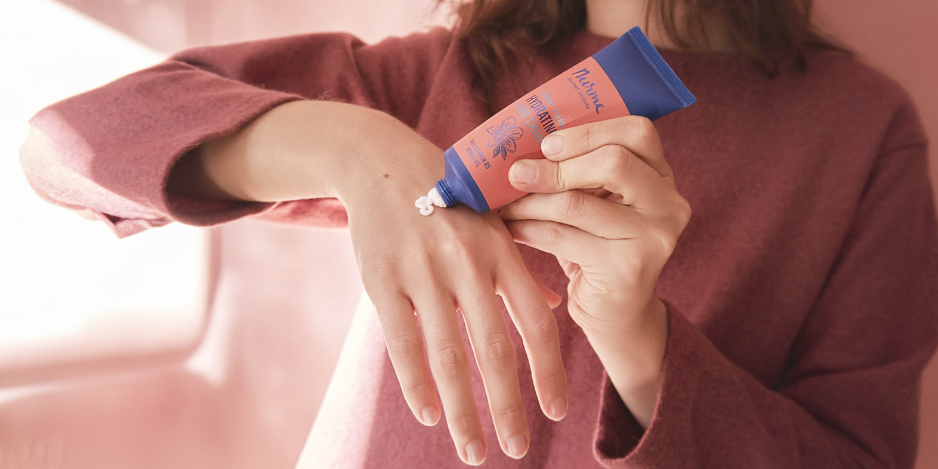
Wise people apply moisturiser to the skin right after showering, when the skin is still slightly damp. Moisturiser absorbs best into damp skin, not completely dry skin – when the skin is slightly damp, it helps the humectants bind moisture better and the occlusives lock it into the skin.
Busting the most common skin care myths
🟡 “Oil moisturises the skin best.”
Oils do not add moisture to the skin; they lock the existing moisture into the skin. If the skin is already dry and dehydrated, using oil alone can create a feeling that the skin is soft, but it does not actually solve the problem.
🟡 “If the skin isn’t flaking, there’s no need to moisturise.”
Dryness does not always mean flaking – the skin can be lifeless, rough or tight without directly peeling. Regular moisturising helps soften the skin, make it more elastic and prevent premature ageing.
🟡 “If a cream doesn’t absorb immediately, it’s bad.”
Different skin types need different moisturising. If the skin is very dry or flaky, it can quickly soak up light moisturisers but need something more nourishing. But if you put a rich body butter on normal skin, it can feel greasy and need more time to absorb.
🟡 “In winter you have to moisturise the skin more, in summer there’s no need.”
The sun, salt water and air conditioning dry the skin in summer just as much as cold and dry air does in winter. The skin needs moisturising all year round; you may simply need different products in summer and winter.
🟡 “The more cream, the better.”
Using a large amount of cream does not mean better moisturising. Since the skin can only absorb a certain amount of moisturiser, an excessive amount can leave the skin sticky and clog the pores.
If you enjoyed what you read, share it with others…