
Shampoo according to your scalp type. What do you need?
What do oily, combination, dry, sensitive and dandruff-prone scalps need?
Did you know that the secret to healthy and shiny hair lies in how you care for your scalp? To do that, you need to know your scalp type and what kind of care your skin needs.
A healthy scalp is the foundation of hair growth, because the hair follicles – the “factories” of hair growth – are located on the scalp. The scalp must be healthy, because a clogged, dry or irritated environment can disrupt the work of the follicles. If the follicles are damaged or inflamed, you will soon notice it yourself, because your hair grows more slowly or even starts to fall out.
So, let’s first clarify the different scalp types people have, their possible concerns and the best ways to care for them.
Oily scalp – what characterises it?
- The hair gets greasy quickly, often within a day of washing.
- The hair roots feel flat and heavy.
- Oily dandruff may occur, which is yellowish and sticky.
Possible concerns
The main concern with an oily scalp is excessive sebum production in the skin’s glands. This can be influenced by:
- Diet and lifestyle – for example, a menu high in fat and sugar can promote sebum production in the skin’s glands.
- Hormonal fluctuations – for example puberty, pregnancy, menopause or a more stressful period of life.
- Genetics. Some people simply have genetically inherited, naturally more active sebaceous glands.
- Wrong care – for example, too intensive shampoos can dry the scalp excessively, forcing the sebaceous glands to produce more sebum-like secretion.
What does an oily scalp need?
- A balancing and deep-cleansing shampoo that removes excess sebum but does not dry the scalp excessively.
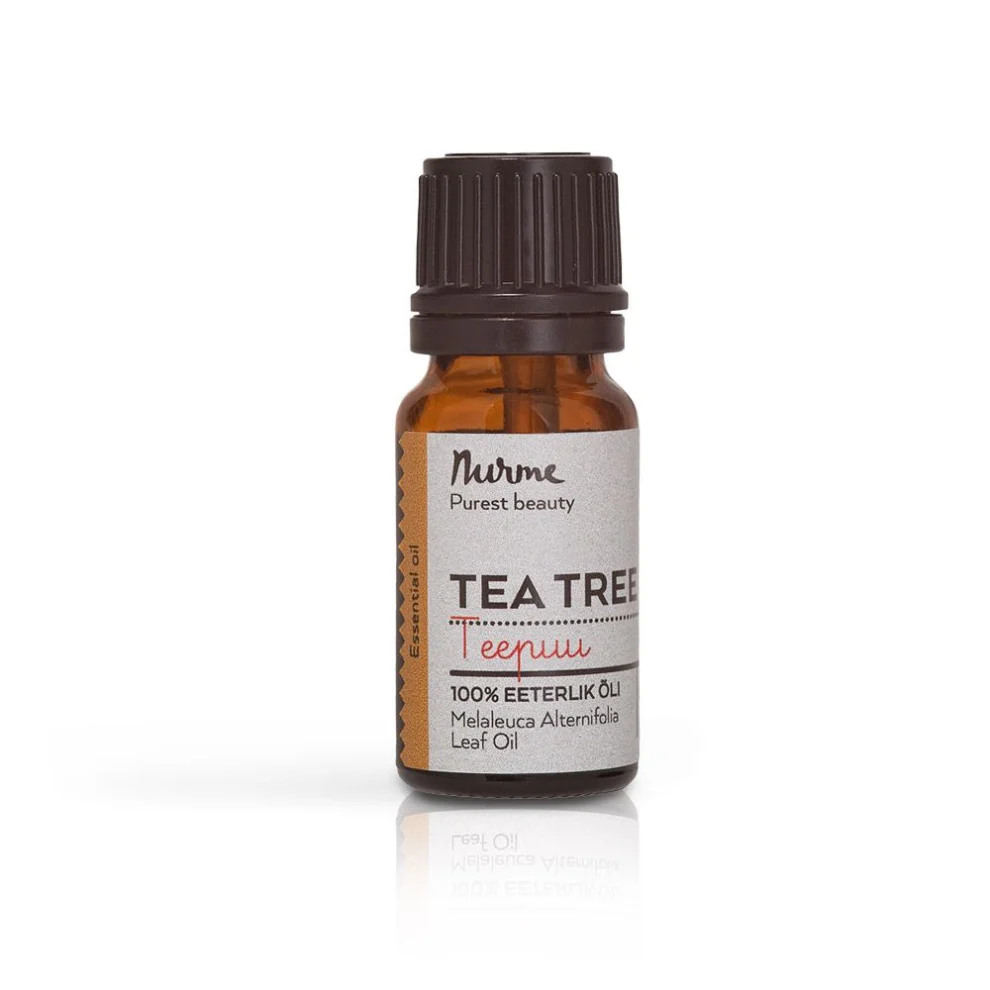
- Ingredients that regulate sebum production, such as lemongrass and tea tree oil.
- Gentle but effective cleansing to prevent sebum from clogging the scalp.
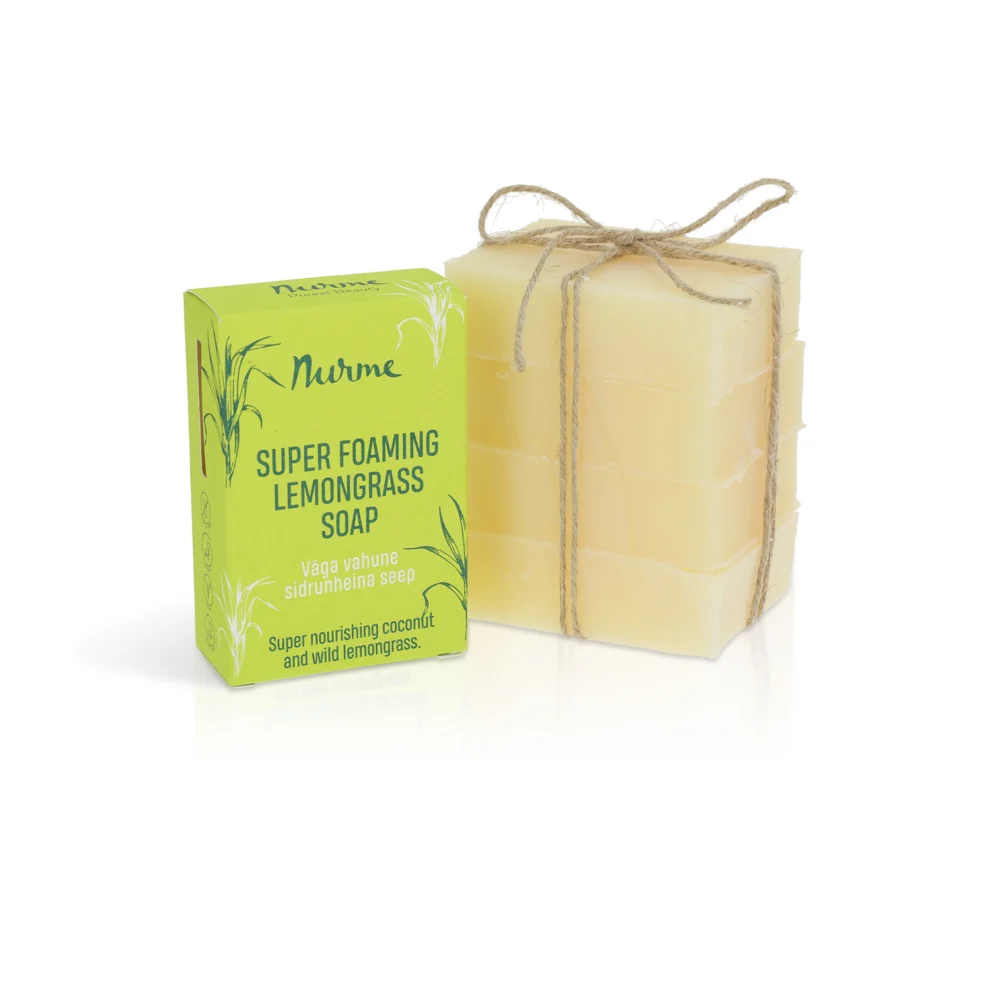
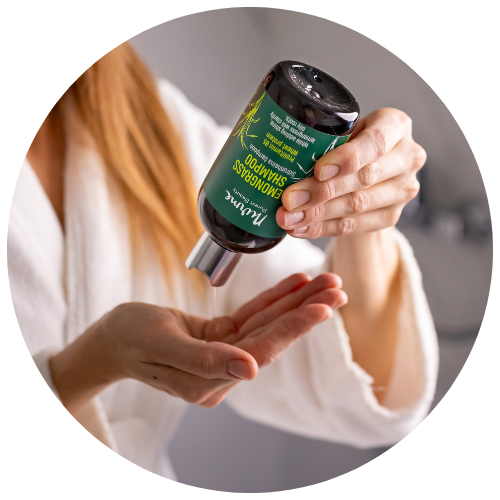
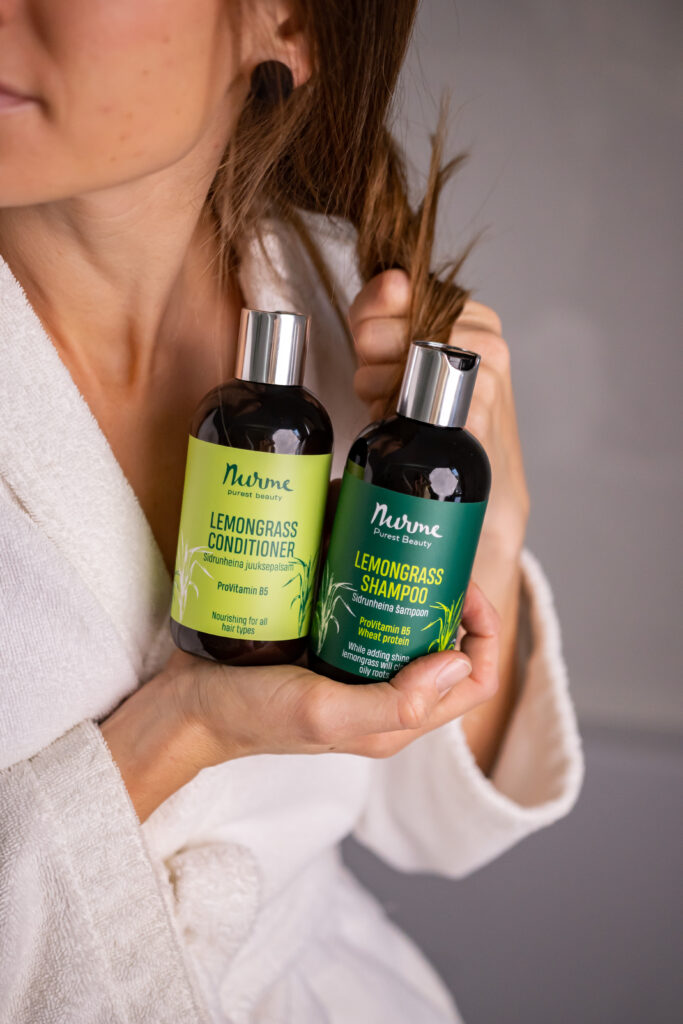
From Nurme’s range, the natural lemongrass shampoo suits you well; it regulates sweating and keeps the hair clean for longer.
PS: we also have a lemongrass solid shampoo, which is easy to take travelling or to reduce your packaging waste.
Combination scalp – what characterises it?
- The problem worsens seasonally – for example, in summer sebum production intensifies, while in winter unpleasant dryness can occur.
- The scalp has uneven sebum production, i.e. some areas become greasy quickly while others stay normal or dry.
- Itching and flaking can occur in the drier areas, while the oilier areas get dirty quickly.
Possible concerns
Discomfort is caused by the uneven work of the sebaceous glands, which can have several different causes, such as:
- Uneven sebaceous gland activity, i.e. part of the scalp produces more sebum and part less. This can be genetic, but also the result of wrong care.
- An imbalance in the scalp’s microbiome. The scalp is covered by a beneficial bacterial layer that regulates the skin’s moisture balance and sebum production. When this balance is disrupted, some areas can become dry while others produce excess sebum.
- Hormonal changes associated with stress can cause irregular sebum production, due to which some areas of the scalp become oily and others stay dry.
- Excessive washing and the use of harsh shampoos – for example, if you prefer strong deep-cleansing shampoos, excessive dryness can occur in the drier parts of the scalp. At the same time, the sebaceous glands produce more sebum to compensate.
What does a combination scalp need?
- Plant extracts, such as rosemary oil, which help even out sebum production in the skin’s glands.
- Gentle surfactants that cleanse but do not damage the scalp’s protective barrier.
- Ingredients that support the moisture balance, such as provitamin B5, to prevent excessive dryness and itching in certain areas of the scalp.
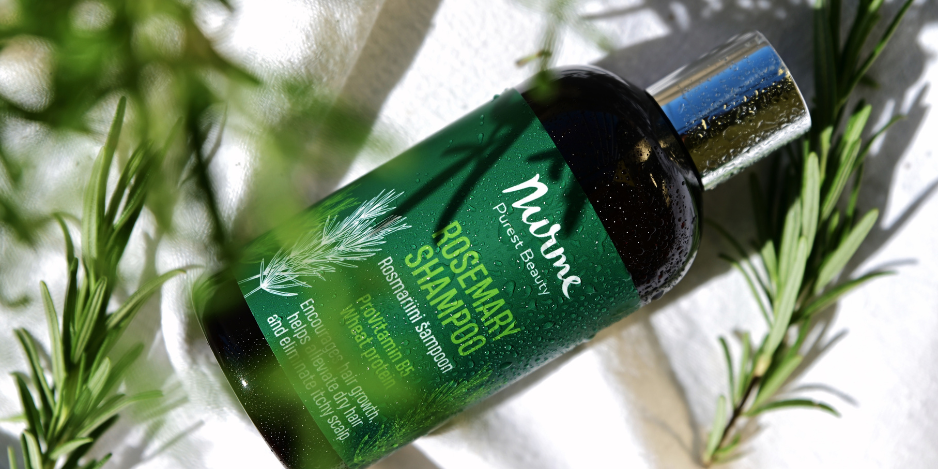
From Nurme’s range, the rosemary shampoo suits you well; it helps the scalp maintain its natural moisture balance, preventing dryness.
Dry scalp – what characterises it?
- The scalp feels tight, rough or flaky.
- Common signs are itching and irritation.
- Dry dandruff may occur, i.e. small white flakes that are not sticky.
- The hair feels lifeless and fragile.
Possible concerns
Low sebum production on the scalp causes moisture loss on a dry scalp. This can be influenced by:
- Cold weather and dry air, which is why people with a dry scalp find their condition worsens especially in winter.
- Using the wrong shampoo or excessive washing, which removes the scalp’s natural oils.
- Also age, because the sebum production of the skin’s glands decreases with age.
What does a dry scalp need?
- A moisturising and nourishing shampoo that helps maintain the skin’s moisture balance and prevent flaking.
- Protection and restoration of the scalp.
- A gentle shampoo that does not remove the scalp’s natural oils.
From Nurme’s range, the Ylang-Ylang shampoo suits you well; it balances a dry scalp.
Sensitive scalp – what characterises it?
- The scalp reacts strongly to the introduction of new products or to various irritating external influences. Itching, redness and tingling occur.
- Allergic reactions or irritation may occur.
- Sensitivity can vary depending on the season or the hair care products currently in use.
Possible concerns
A weakening of the skin’s natural protective barrier, the causes of which can be:
- Strong chemicals and fragrances in hair care products.
- Environmental factors – for example, cold, polluted and hard water can increase sensitivity.
- Sensitivity to certain preservatives and sulfates.
What does a sensitive scalp need?
- Gentle and skin-soothing ingredients that reduce irritation. Lavender, for example, is a good fit.
- Products free of strong chemicals and fragrances that would not cause yet more irritation.
From Nurme’s range, the lavender shampoo suits you well; it contains gentle surfactants that are mild on the skin.
Dandruff-prone scalp – what characterises it?
- Flaking of the scalp, i.e. dry or oily dandruff.
- Itching and irritation may occur.
Possible concerns
Discomfort is caused, for example, by:
- The overgrowth of a fungus (Malassezia), which breaks down sebum and causes an unpleasant feeling of irritation.
- An imbalance of the sebaceous glands.
- A weakening of the skin barrier, which can be due to the use of wrong products, as well as various environmental factors.
What does a dandruff-prone scalp need?
- Deep cleansing of the scalp, which removes excess sebum and flaking to restore a pleasant feeling of freshness. Tea tree oil is a good ingredient for this care.
- Strengthening and soothing ingredients, such as peat, which help restore the skin’s natural protective barrier.
- Moisture and softening, which reduces itching and helps the scalp gently recover and renew. Allantoin is worth trying as an ingredient.
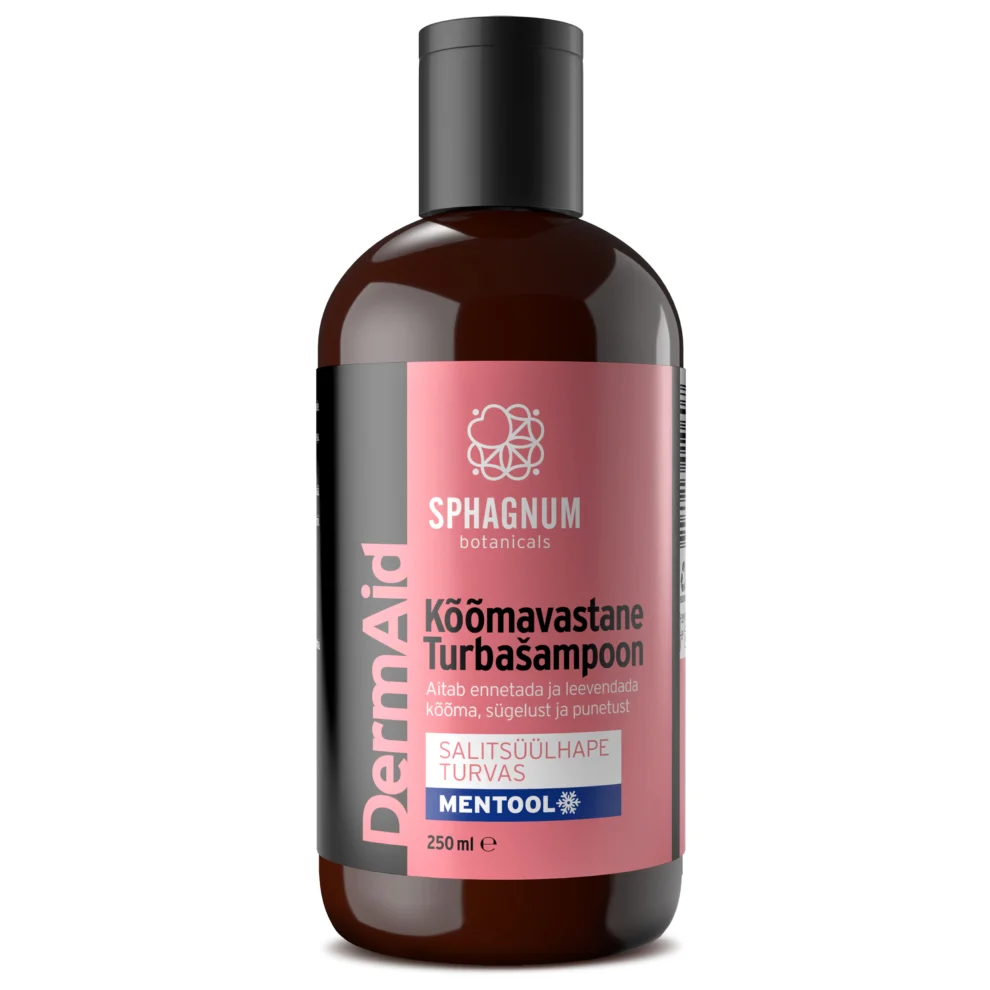
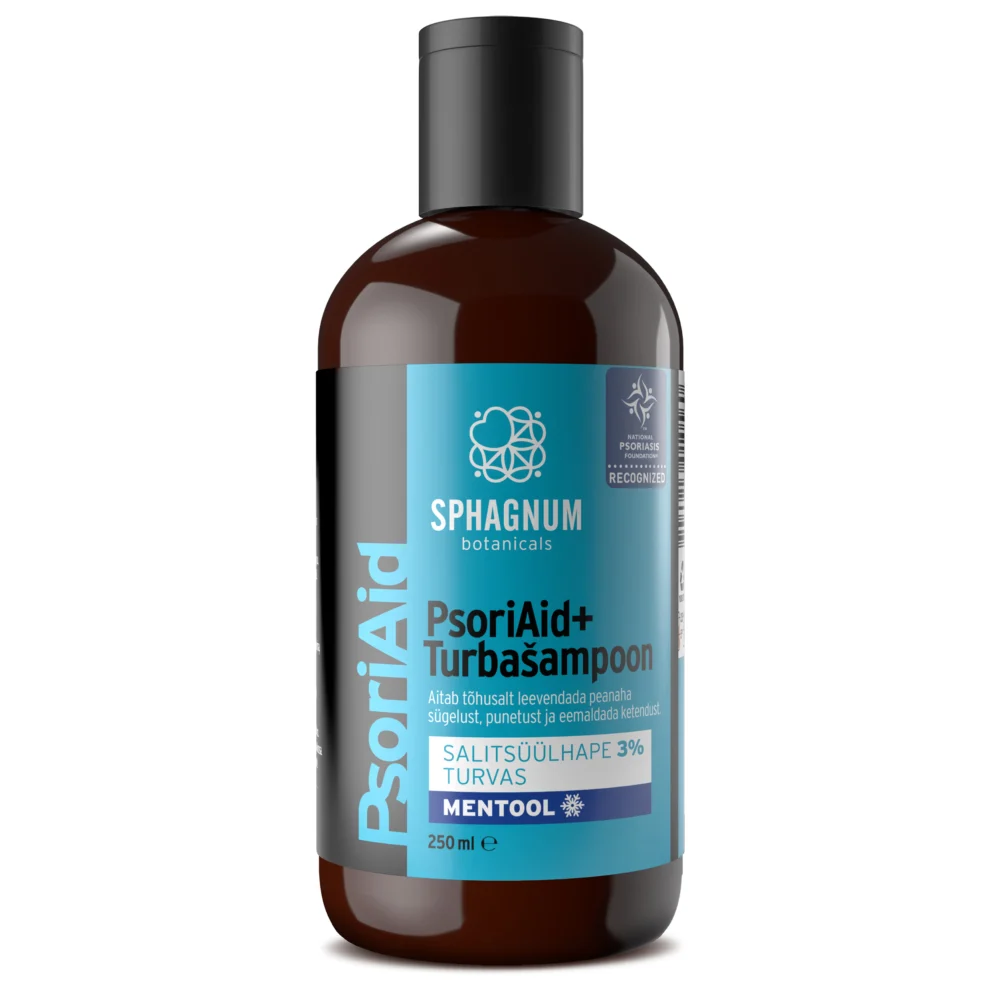
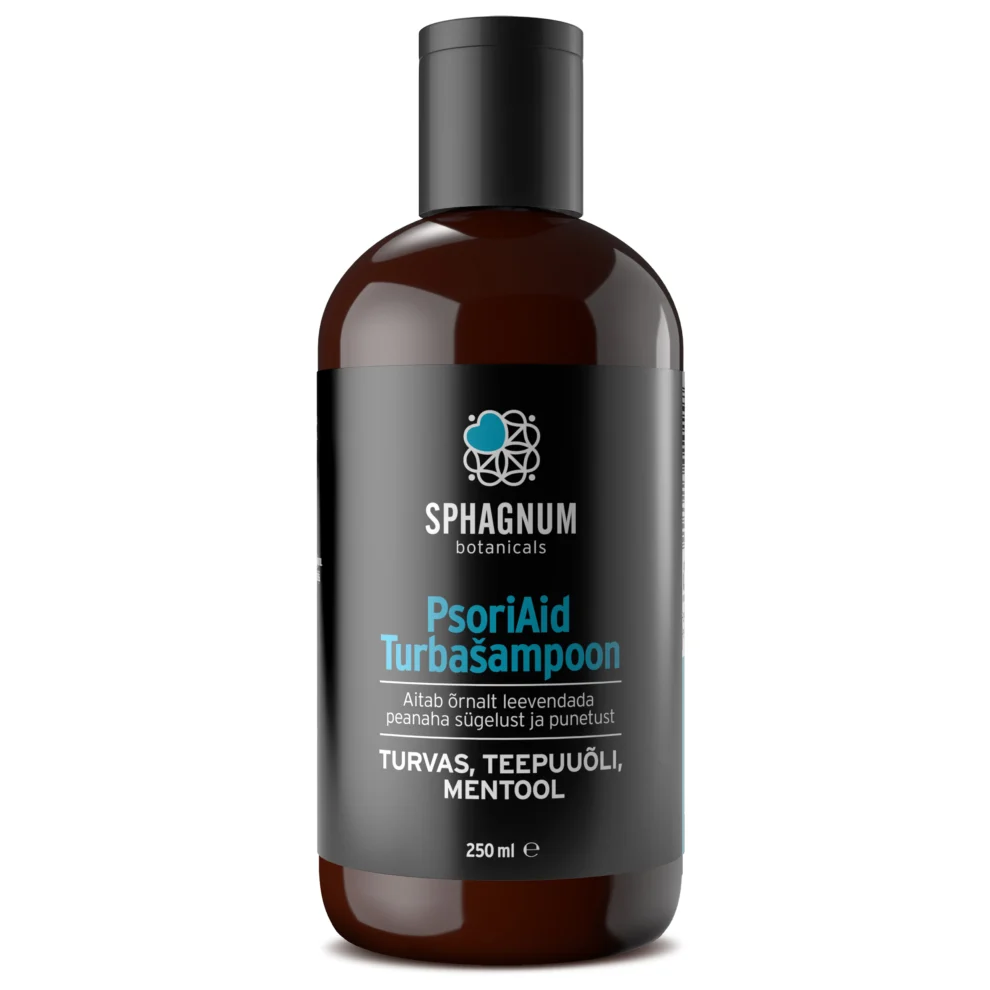
From Nurme’s range, the peat shampoo suits you well; its natural composition offers relief against the discomfort, irritation and dryness associated with extreme scalp problems.
How to determine your scalp type?
To find out what your scalp type actually is, observe how your scalp and hair behave:
🟡 If the hair gets greasy quickly, the scalp is probably oily.
🟡 If you feel itching or tightness, the scalp may be dry.
🟡 If you are sensitive to new products, the scalp is probably sensitive.
🟡 If the scalp itches and you often notice flaky particles on it, this may be a sign of dandruff.
🟡 If the hairline and crown get greasy quickly, but other areas such as the temples or back of the head are normal or dry, this is a sign of a combination scalp.
Why do we need shampoo?
The scalp produces natural sebum, which nourishes and protects the hair, but excess sebum can make the hair heavy, greasy and dirty. In addition, dust, dirt, dead skin cells and styling-product residue accumulate on the hair, which can clog the hair follicles and cause scalp irritation. Simply put, the main purpose of shampoo is to wash the hair and scalp clean.
Shampoo contains surfactants that dissolve sebum and dirt, making them water-soluble and allowing them to be removed by rinsing.
When you rub shampoo into the hair, a lather forms that helps remove dirt and sebum evenly, lifting it from the surface of the hair and scalp. If the hair is very dirty or greasy, the first wash may loosen the dirt but not remove it completely. This is exactly why it is sometimes necessary to wash twice.
The outer layer of the hair shaft, the cuticle, consists of overlapping scales that can be either closed and smooth or open and rough. Shampoo removes sebum and dirt, but at the same time partially opens the cuticle layer so that the dirt can come off the hair.
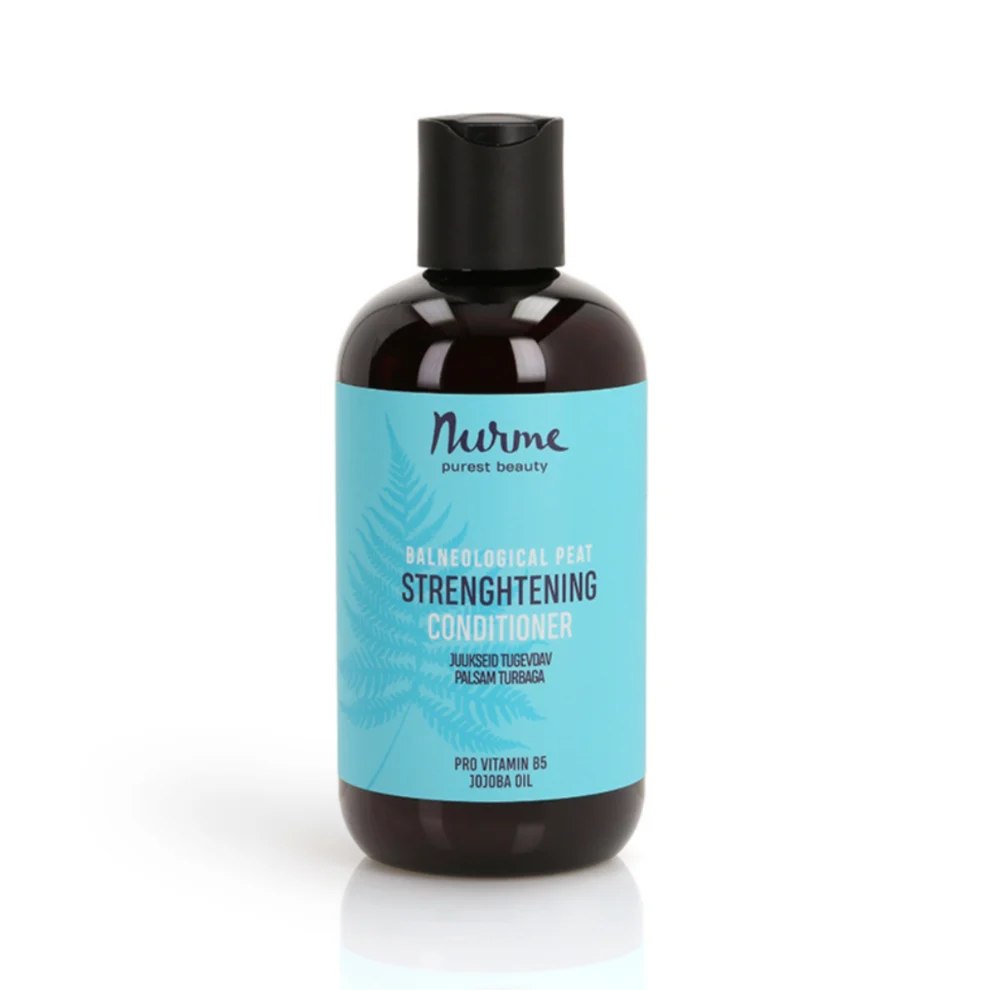
It is important to know, however, that after using shampoo the hair is more susceptible to moisture loss and mechanical damage, which is why using conditioner after shampooing is essential to close the cuticle again and prevent hair breakage. If conditioner is left out, the hair cuticles stay open, which makes the hair dry and fragile.
How to use shampoo correctly?
Yes, this question may seem strange, but you might be surprised how many people don’t actually know how to shampoo their scalp and hair correctly. That’s why we share a simple step-by-step guide:
- Wet the hair completely before using shampoo, because water helps the shampoo distribute more evenly.
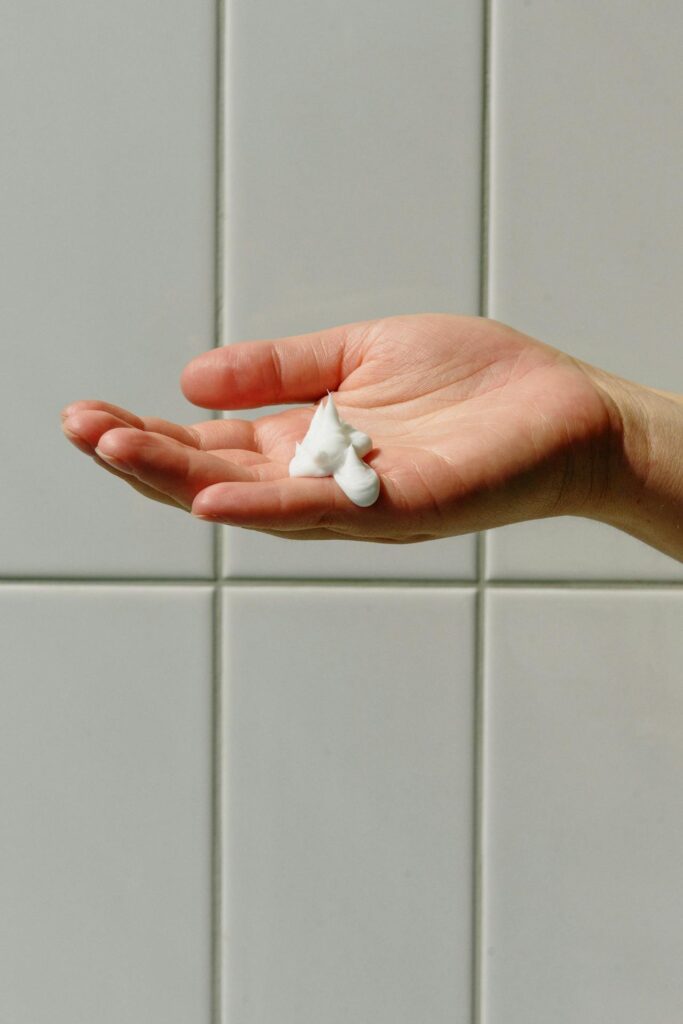
- Apply the shampoo to your palm first, not directly onto the scalp, and rub it out between your hands.
- Massage the shampoo gently into the scalp, not into the hair ends, because the length of the hair gets cleaned as you rinse the shampoo out.
- Rinse thoroughly with lukewarm water to remove all residue and prevent the hair from becoming heavy.
- If the hair is very dirty or greasy, wash twice. The first wash removes the bulk of the dirt and the second cleanses more thoroughly.
Most importantly, you should really wash only the scalp, not the hair!
It is also worth avoiding water that is too hot, because hot water opens the cuticles excessively, causing dryness and frizz.
Good deeds that help keep the scalp healthy and cared for
🟡 Moisturise the scalp when it tends to get dry, because scalp dryness causes flaking, itching and irritation, which can also lead to weaker hair. Use scalp-moisturising oils, especially in winter or if you wash your hair very often.
🟡 Avoid water that is too hot and excessive blow-drying, because these dry the scalp and stimulate excess sebum production, which can cause both dry and oily scalp problems. Wash the hair with lukewarm water and blow-dry on a medium temperature, keeping the dryer at least 20 cm away from the scalp.
🟡 Eat a balanced diet, because the health of the scalp and hair also depends on vitamins and minerals such as iron, zinc, biotin, omega-3 fatty acids and the vitamin B complex. Eat more green vegetables, nuts, seeds, oily fish and whole grains to supply the scalp with essential nutrients.
🟡 Avoid the build-up of hair care products on the scalp, because dry shampoos, styling products and even conditioners can clog the follicles, cause flaking and slow hair growth. For proper cleansing, use a deep-cleansing but gentle shampoo once or twice a month, such as Nurme’s peat shampoo or lemongrass shampoo.
🟡 Avoid stress and lack of sleep, because stress can increase the scalp’s sebum production, cause dandruff and lead to hair loss. Regular sleep and relaxing exercises help keep the scalp in balance.
🟡 Avoid constantly touching and scratching the scalp, which would spread dirt and bacteria that can cause irritation, increased sebum production or even inflammation. When the scalp itches, use soothing products.
If you enjoyed what you read, share it with others…