Are Lip Balms Bad? Side Effects and Ingredients to Avoid
Lip balm is one of the most-used products in any bag or pocket, but many people ask whether it can have side effects — or even whether it can make dry lips worse. In this guide we look at the common concerns, what to check on the label, and how to choose a lip balm you feel good about.
In short: A good lip balm helps soften and protect dry lips. The main things to watch for are ingredients that can feel drying or tempt you to lick your lips — such as strong menthol, camphor, or heavy flavourings — and simply relying on balm instead of addressing what dries your lips in the first place. If your lips are persistently cracked, sore or swollen, see a doctor or pharmacist.
Can lip balm have side effects?
For most people, a simple lip balm is a helpful everyday product. Where problems arise, they usually come down to specific ingredients or habits rather than lip balm itself. Some people find strongly flavoured or scented balms tempting to lick, which removes the balm and can leave lips feeling drier. Others may be sensitive to particular ingredients — such as certain fragrances or flavourings — and can react with irritation. Choosing a simpler, fragrance-light balm often avoids these issues.
Does lip balm make your lips more dry? The “lip balm cycle”
You may have heard that lip balm can be “addictive” or trap you in a cycle of dryness. Lip balm is not physically addictive in the way the word usually implies. What can happen is this: if a balm contains ingredients that feel cooling or tingly — like menthol, camphor or phenol — or if you lick your lips to taste a flavour, the relief is short-lived and your lips can end up feeling drier, so you reach for the balm again. Switching to a plain, nourishing balm and applying it before lips get dry usually breaks the habit.
Lip balm ingredients some people prefer to avoid
None of these are “banned,” but many people prefer to avoid them, especially if their lips are already dry or sensitive:
- Strong cooling actives — menthol, camphor or phenol can feel soothing at first but may leave dry lips feeling drier.
- Heavy flavourings and fragrance — tempting to lick, and a more common cause of irritation for sensitive skin.
- Drying alcohols high up the ingredient list.
- Known allergens such as lanolin, if you are sensitive to them.
- Essential oils like peppermint, if your lips react easily.
Checking the ingredient list on the label is the simplest way to choose a balm you feel comfortable with.
What to look for in a lip balm
- Simple, nourishing ingredients: plant oils and butters that soften and condition the lips.
- Fragrance-light: less scent and flavour means less temptation to lick and less chance of irritation.
- No strong “cooling” actives if your lips are already dry, such as heavy menthol or camphor.
- Nourishing plant oils and butters — such as shea or cocoa butter and plant oils, to soften and condition the lips.
- A humectant such as hyaluronic acid, which helps hold moisture at the surface.
- SPF for daytime — the lips can burn too, so a balm with SPF is worth having for time outdoors.
- A format you will actually reuse — the best balm is the one you apply regularly, before lips get chapped.
It also helps to address what dries your lips in the first place: cold or windy weather, dry indoor air, dehydration, or breathing through your mouth. A balm works best alongside these small habits.
When to see a doctor
Lip balm is a cosmetic, not a medicine. If your lips are persistently cracked, sore, swollen, or if the skin around them is red and flaking, it is worth seeing a doctor or pharmacist, as this can have causes that need proper care — such as a form of lip inflammation (cheilitis) or lip-licker’s dermatitis. Cosmetics are not a substitute for medical advice.
Nurme’s natural lip balms
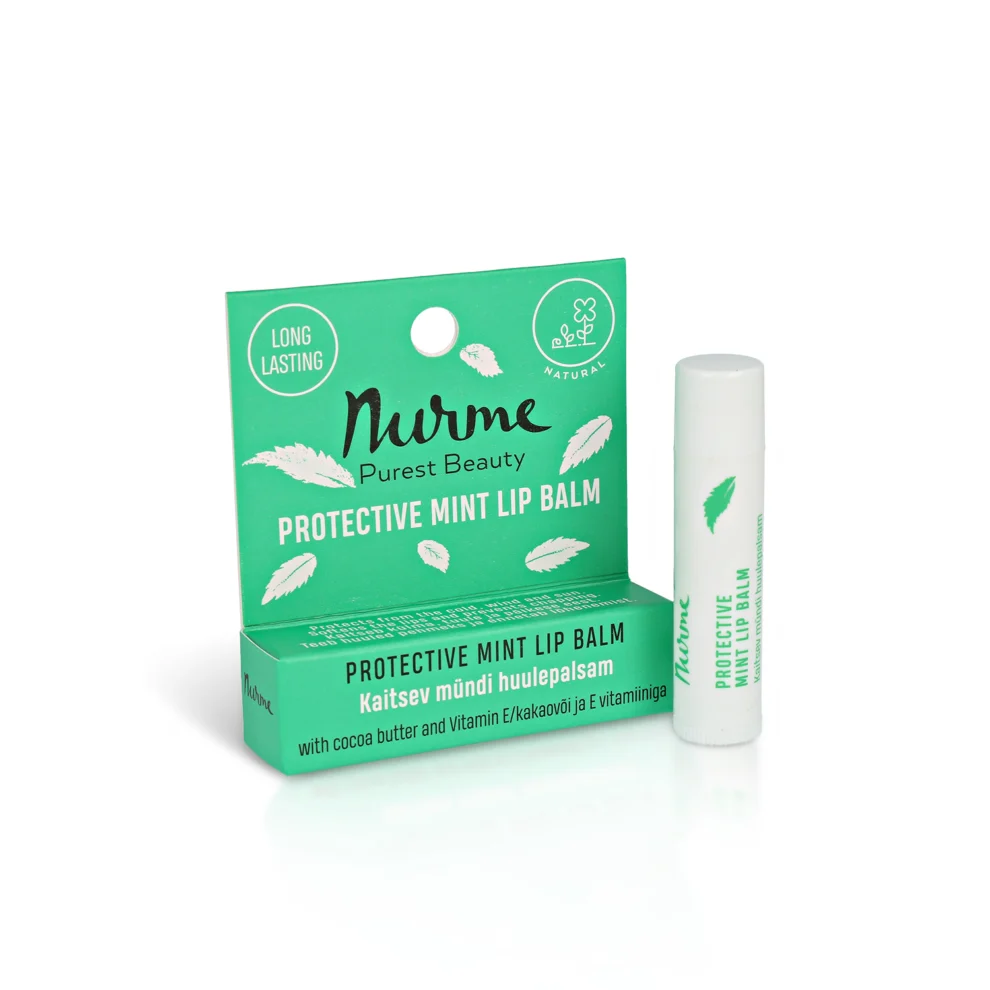
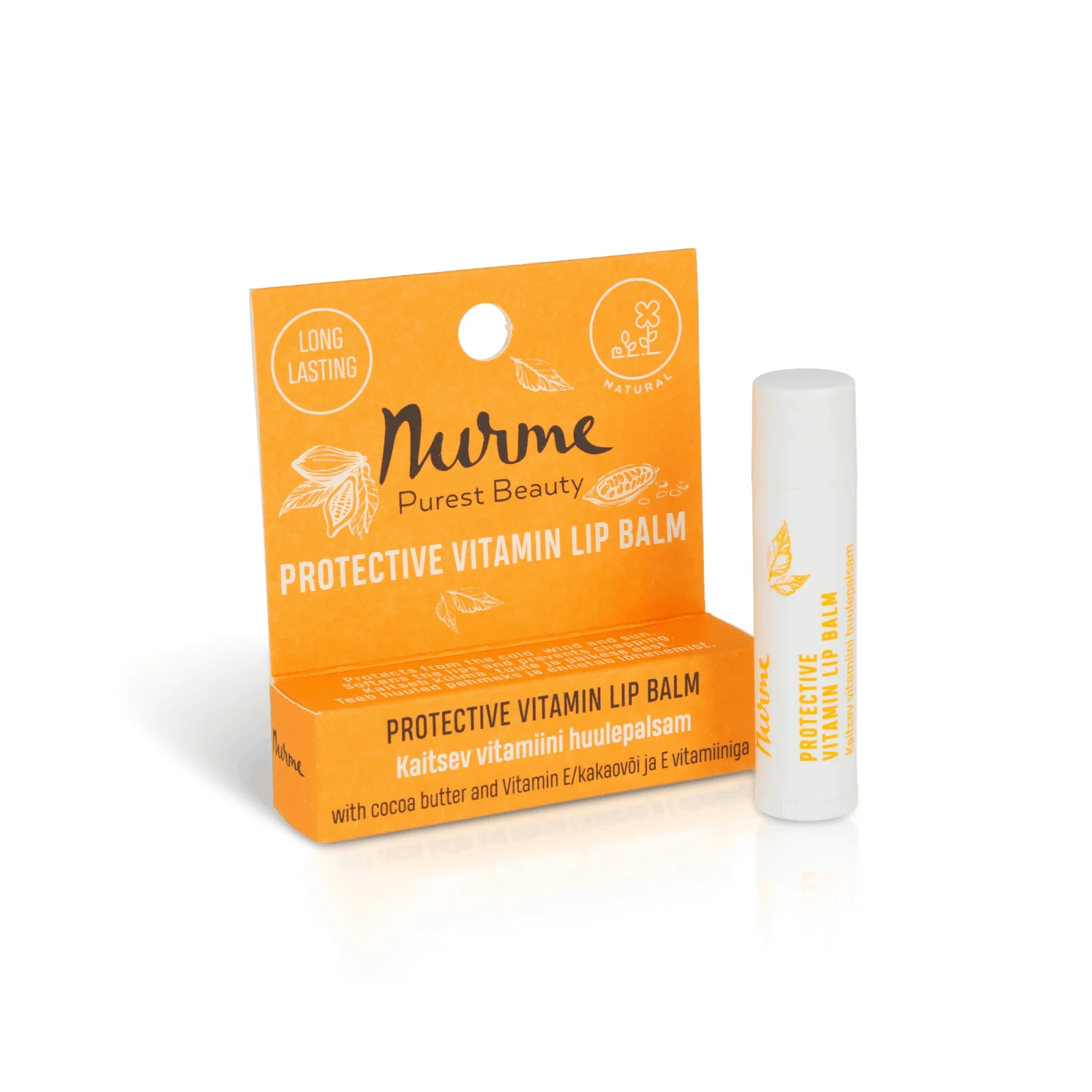
Nurme makes simple, natural lip balms designed to soften and protect dry lips, handmade in Estonia. Our vitamin lip balm and mint lip balm use nourishing plant oils and butters; if you prefer a vegan option, our shea lip balm uses plant-based candelilla wax instead of beeswax. You can check the ingredients on each product page.
Frequently asked questions
Are lip balms bad for you?
For most people a simple lip balm is helpful, not harmful. Problems usually come from specific ingredients — like strong menthol, camphor or heavy flavourings — or from licking flavoured balm, rather than from lip balm itself.
Can lip balm make dry lips worse?
It can if it contains cooling or tingly ingredients such as menthol or camphor, or if a flavour tempts you to lick your lips. A plain, nourishing balm applied before lips get dry usually helps instead.
Is lip balm addictive?
No. Lip balm is not physically addictive in the way the word usually implies. It can become a habit if a balm gives only short-lived relief, but switching to a simple, nourishing balm generally breaks the cycle.
When should I see a doctor about chapped lips?
If your lips are persistently cracked, sore or swollen, or the skin around them is red and flaking, see a doctor or pharmacist. A lip balm is a cosmetic, not a substitute for medical care.
If you enjoyed what you read, share it with others…