
How to Make Natural Body Lotion at Home (Simple Recipe + Safety)
Making your own natural body lotion at home can be a fun way to control exactly what goes on your skin. In this guide we share a simple, beginner-friendly method — plus the one safety point most DIY recipes skip — and an easy alternative if you would rather not make one from scratch.
In short: The easiest natural option to make at home is a water-free body butter — just plant butter and oil, whipped together, with no preservative needed. A true lotion (with water) is richer and lighter but needs a proper emulsifier and preservative to stay safe, which is harder to do at home. If you would rather skip the kitchen, a ready-made natural lotion does the job.
The easiest homemade body butter recipe
If you are new to making skincare, start with a water-free body butter. Because it contains no water, it does not need a preservative, which makes it much simpler and safer to prepare at home.
You will need:
- 100 g plant butter (such as shea or cocoa butter)
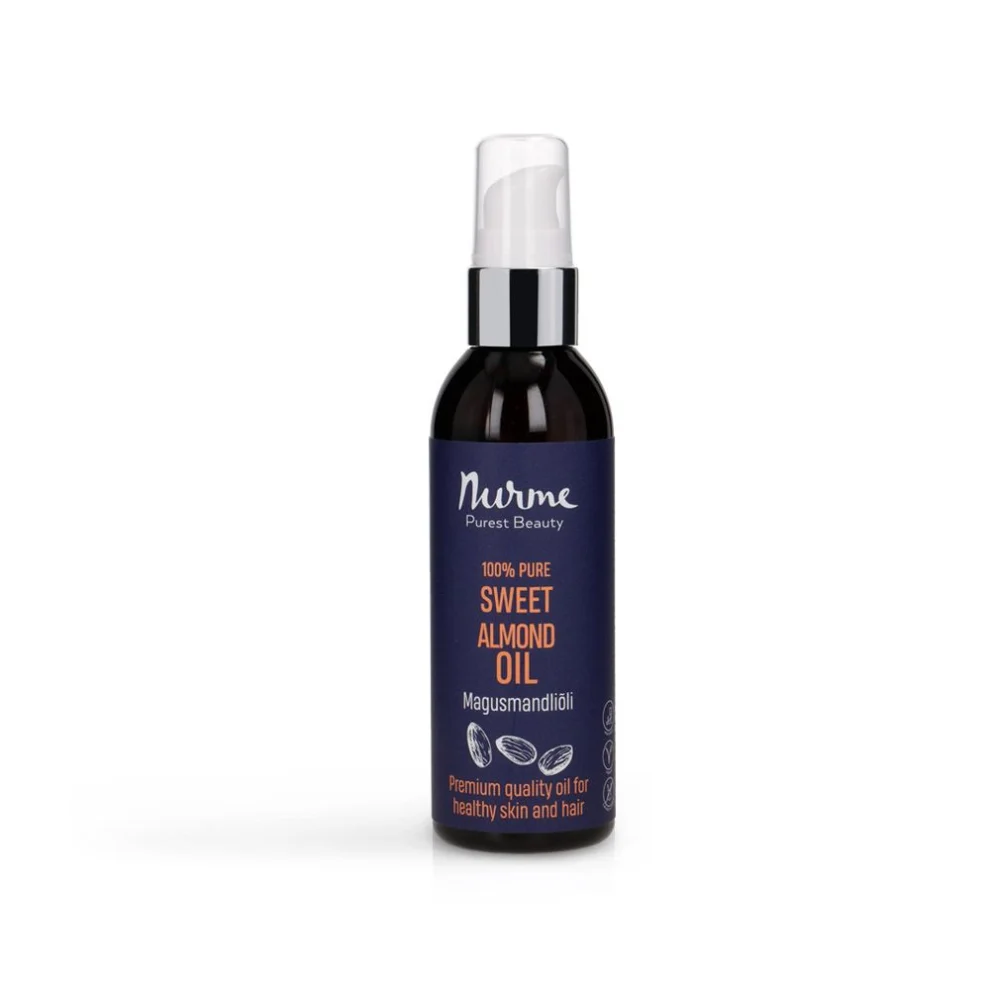
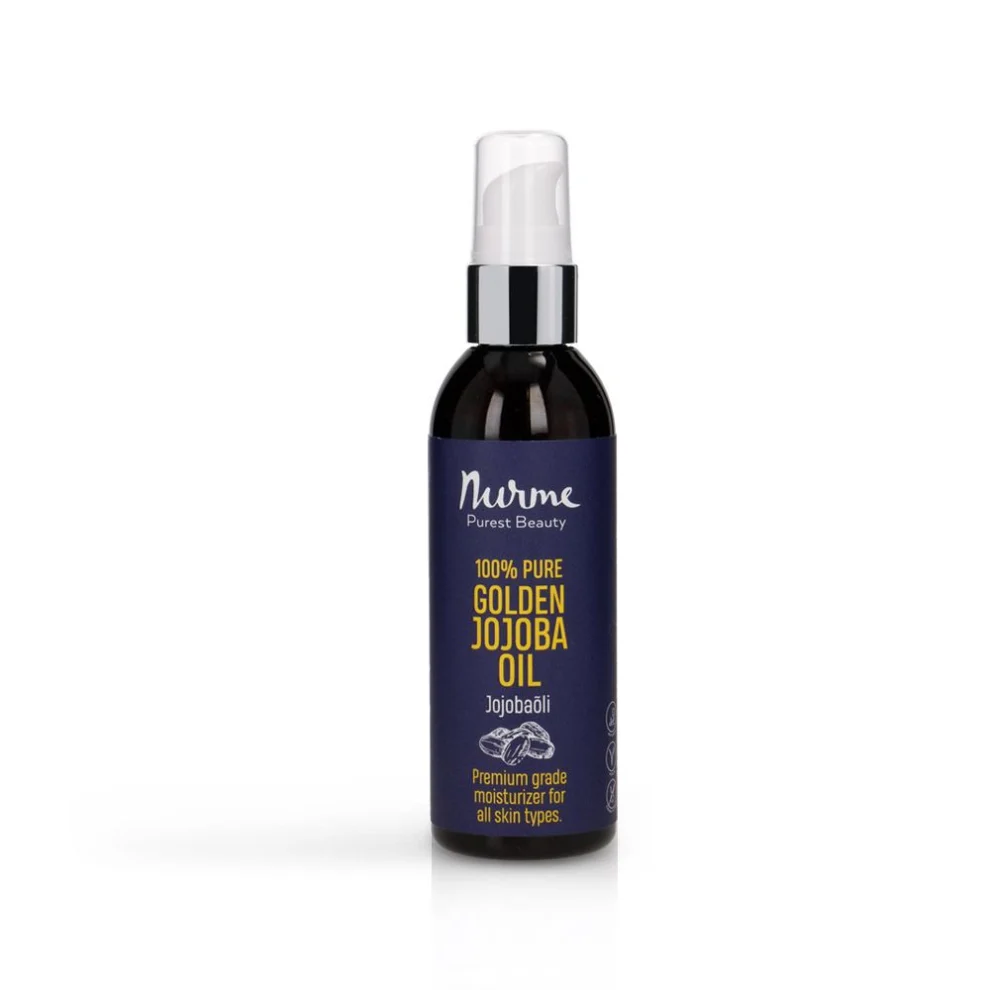
- 60 ml carrier oil (such as jojoba, sweet almond or sunflower oil)
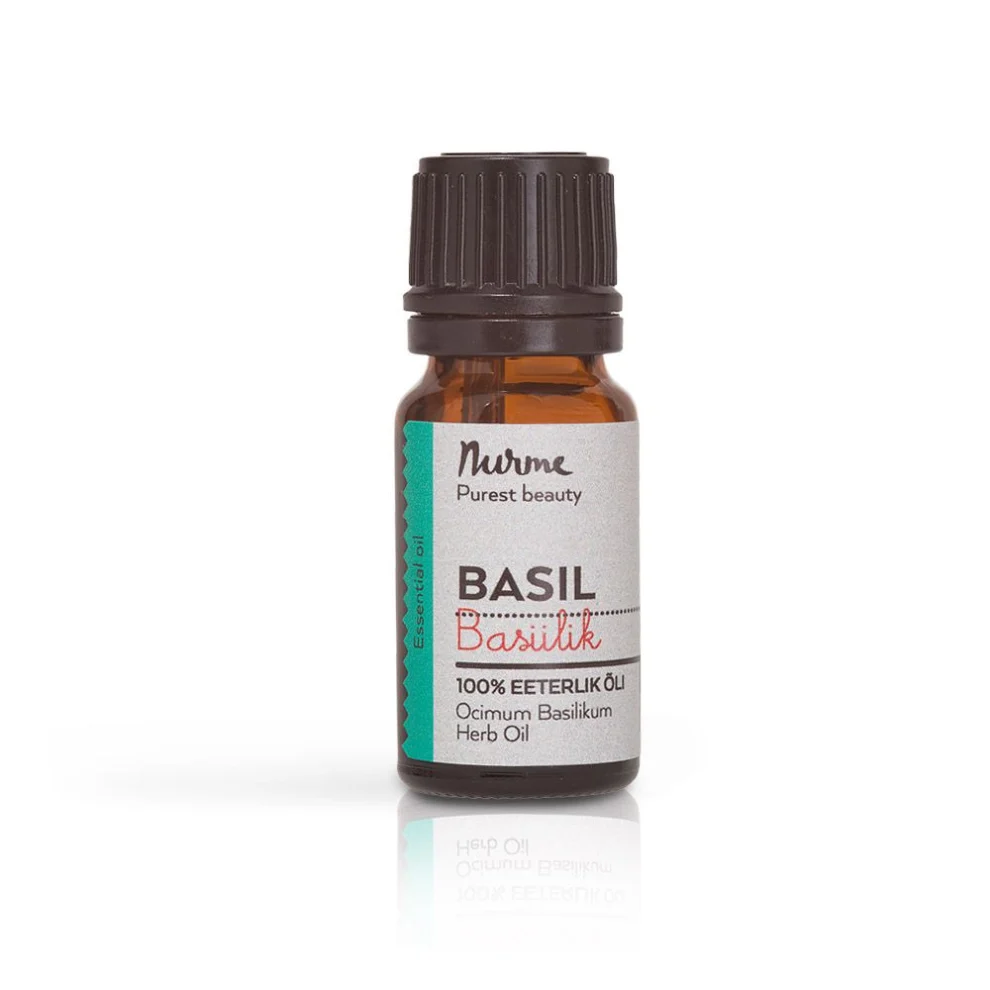
- optional: a few drops of essential oil for scent (skip for sensitive skin)
Method:
- Gently melt the plant butter in a heatproof bowl over warm water.
- Stir in the carrier oil and remove from the heat.
- Cool the mixture in the fridge until it just starts to set (about 30–60 minutes).
- Whip with a hand mixer until light and fluffy.
- Stir in the essential oil, if using, and spoon into a clean jar. If you add essential oil, keep it to a few drops and patch-test on a small area first, especially if your skin is sensitive.
Use within a few months and keep it somewhere cool, as it can soften in heat. Always scoop with clean, dry hands or a spatula — introducing water shortens its life and can let bacteria grow.
Making a true lotion (with water) — read this first
A lotion is lighter than a body butter because it contains water as well as oil. This is where many home recipes go wrong. To combine oil and water you need a proper emulsifier, and because the lotion contains water it must include a suitable preservative — otherwise mould and bacteria can grow within days, even if you cannot see them. “Natural” alternatives like vitamin E or grapefruit seed extract are antioxidants, not preservatives, and do not make a water-based lotion safe.
If you want to make a real lotion, use a tested formulation with a recognised emulsifier and preservative, work with clean, sanitised equipment, and follow the supplier’s usage rates carefully. If that sounds like a lot, you are not alone — which is why many people choose a ready-made lotion.
Prefer to skip the kitchen?
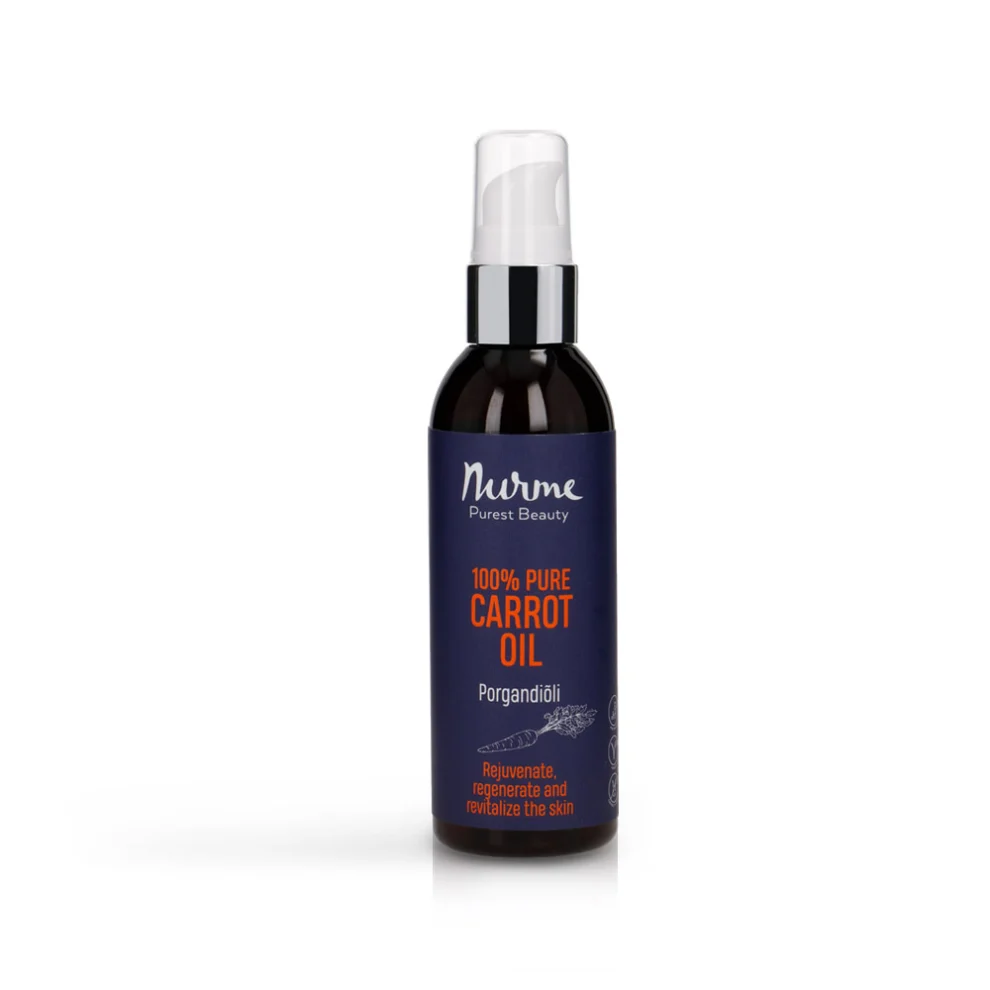
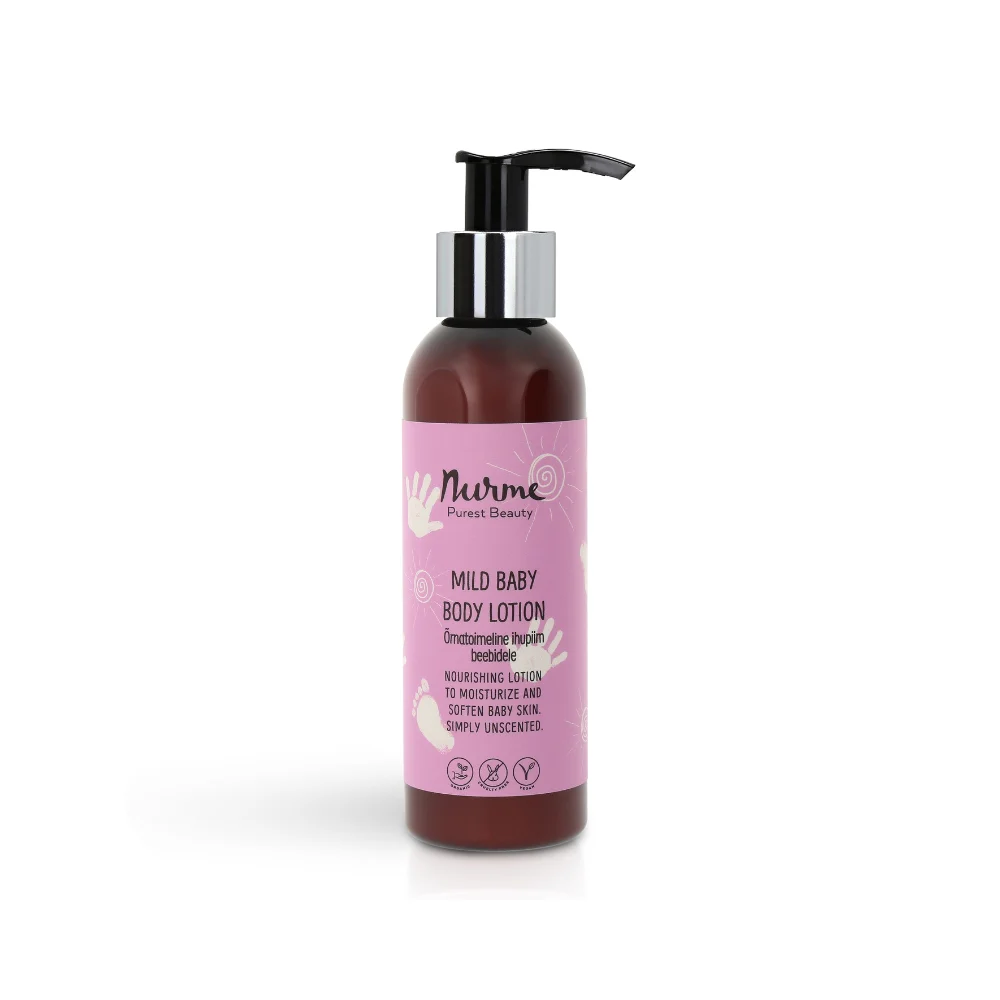
If you would rather not measure, melt and preserve, a ready-made natural lotion gives you the same nourishing result with none of the guesswork — safely preserved and ready to use. Nurme’s sea buckthorn hand & body lotion is a handmade, plant-based option that moisturises hands and body, made in Estonia. For very dry skin, a plant oil or butter such as our body oils and butters works well too.
Frequently asked questions
How do you make natural body lotion at home?
The easiest homemade option is a water-free body butter: gently melt a plant butter such as shea, stir in a carrier oil, cool until it starts to set, then whip until fluffy. A true water-based lotion also needs an emulsifier and a preservative to stay safe.
Does homemade body lotion need a preservative?
Any lotion that contains water needs a suitable preservative, or mould and bacteria can grow in it. A water-free body butter does not contain water and so does not need a preservative.
Is vitamin E a preservative?
No. Vitamin E is an antioxidant that helps protect oils from going rancid, but it does not stop bacteria or mould growing in a water-based product. It is not a preservative.
How long does homemade body butter last?
Use a homemade body butter within a few months and store it somewhere cool. Because it can soften in heat, keep it away from warm spots.
Can you make body lotion without beeswax?
Yes. Beeswax is a thickener, not a true emulsifier, so it does not properly bind oil and water into a stable lotion. A water-free body butter needs no beeswax at all, and a real water-based lotion needs a proper emulsifier and preservative rather than beeswax.
If you enjoyed what you read, share it with others…